Leave Your Message

2026 Top Stainless Steel Mixing Vessel Suppliers?

Choosing the right Stainless Steel Mixing Vessel supplier in 2026 requires more than comparing tank prices. Hygienic design, mixing performance, documentation, and after-sales support now influence purchasing decisions. According to the 2024 Mixing Equipment Market report by MarketsandMarkets, manufacturers increasingly seek automated, energy-efficient, and application-specific mixing systems. That trend is visible on factory floors. A vessel may combine a slow anchor agitator, high-shear mixer, load cells, and jacketed temperature control.

The details matter.

Grand View Research’s recent food processing equipment analysis highlights continuing demand for hygienic equipment, process consistency, and production flexibility. These priorities also apply to pharmaceutical, cosmetic, chemical, and nutraceutical production. Buyers should examine stainless-steel grades, surface finishes, weld quality, drainability, seal selection, and cleanability. A polished 316L vessel with orbital-welded connections can reduce contamination risks and simplify inspection. However, material choice alone does not guarantee performance.

Supplier credibility needs evidence. Request drawings, welding records, surface-finish reports, pressure-test results, material certificates, and documented factory acceptance tests. EHEDG guidance, 3-A Sanitary Standards, and applicable FDA requirements can help establish practical hygiene expectations. Regional codes may add further obligations. This is where many comparisons become weak. Brochures often show impressive machines but reveal little about long-term maintenance.

No supplier is perfect.

The 2026 market therefore deserves a careful, evidence-based review. This guide compares leading Stainless Steel Mixing Vessel suppliers through engineering capability, customization, certifications, delivery reliability, service coverage, and customer experience. Some rankings may remain debatable. That is intentional. Real production conditions differ, and the best supplier depends on viscosity, batch size, temperature, cleaning method, and compliance needs.

2026 Top Stainless Steel Mixing Vessel Suppliers?

What Is a Stainless Steel Mixing Vessel?

A stainless steel mixing vessel is a process container designed to blend, dissolve, suspend, or gently combine materials. Its polished steel interior resists corrosion and helps prevent product residue from hiding in surface scratches. Common construction uses 304 stainless steel, while 316 stainless steel may suit more corrosive formulations. The correct grade depends on the material, temperature, and cleaning chemicals.

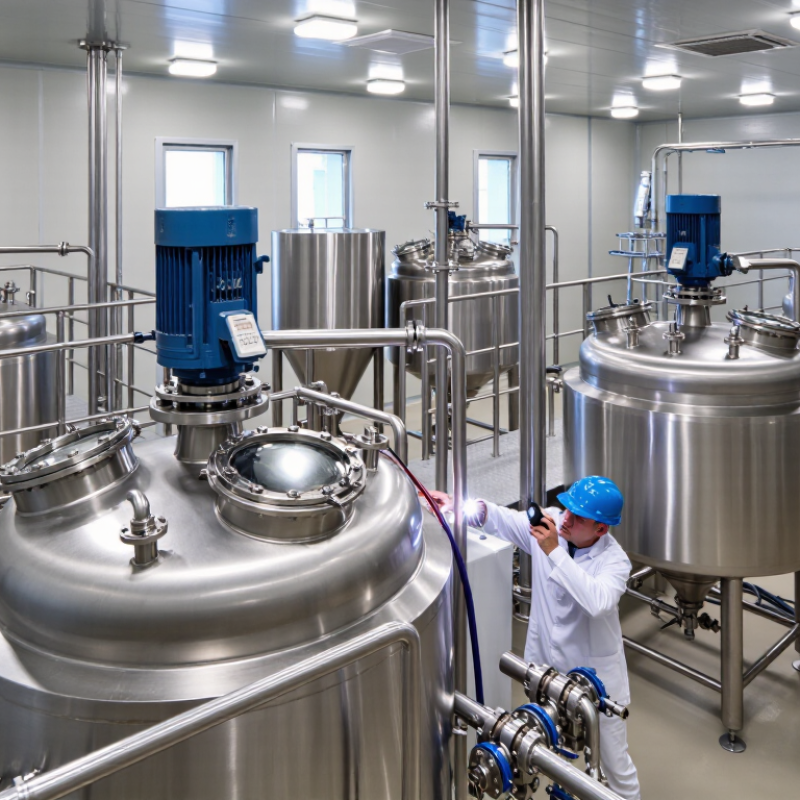
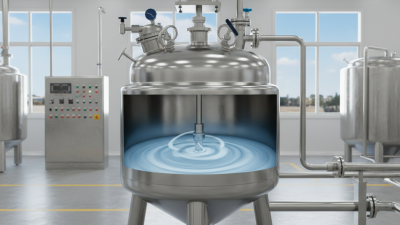
Inside, an agitator creates controlled movement. A slow anchor may handle thick creams, while a pitched-blade impeller can circulate thinner liquids. Baffles reduce swirling and improve uniformity. Many vessels also include a jacket for heating or cooling, sealed lids, sampling ports, spray balls, and bottom outlets. I have found that small details matter. A poorly placed outlet can leave several liters behind.

For 2026 purchasing decisions, suppliers should provide drawings, material certificates, weld inspection records, and documented surface finishes. Ask how the vessel is cleaned and serviced, not only how much it holds. A 1,000-liter tank rarely delivers its full working capacity; headspace is necessary for mixing and expansion. No vessel is perfect. An oversized agitator can waste energy, while an undersized one may create unmixed zones. Operators should review viscosity changes, batch time, cleaning access, and noise during real production trials. A specification can look complete and still miss practical problems.

2026 Top Stainless Steel Mixing Vessel Suppliers? - What Is a Stainless Steel Mixing Vessel?

Evaluation Dimension Common Industry Data Why It Matters When Selecting a Supplier
Definition A stainless steel mixing vessel is a fabricated tank fitted with an agitator, drive system, and process connections to blend, suspend, dissolve, emulsify, or heat and cool liquid or semi-liquid products. Confirms whether the supplier can provide a complete process vessel rather than only an empty storage tank.
Typical Construction Materials 304 stainless steel is widely used for general food, beverage, and industrial service. 316L stainless steel is preferred where chloride exposure, higher corrosion resistance, or hygienic pharmaceutical service is required. Material selection affects corrosion resistance, service life, cleanability, and total project cost.
316L Corrosion-Resistance Feature 316L contains molybdenum, typically about 2–3%, which improves resistance to pitting and crevice corrosion compared with 304 stainless steel. Useful for products containing salts, chlorides, cleaning chemicals, or aggressive ingredients.
Usable Capacity Commercial mixing vessels are commonly engineered from laboratory-scale volumes to several thousand liters. Working volume is normally lower than the vessel's gross volume to allow headspace and mixing expansion. Suppliers should state both gross capacity and recommended working capacity for accurate production planning.
Vessel Geometry Vertical cylindrical vessels with dished, conical, or hemispherical bottoms are common. The height-to-diameter ratio and bottom shape are selected according to fluid properties and mixing objectives. Proper geometry helps prevent dead zones, improves turnover, and supports complete discharge.
Agitator Options Common impellers include pitched-blade turbines, hydrofoil impellers, marine propellers, anchor agitators, and high-shear rotor-stator systems. The impeller must match viscosity, solids content, shear sensitivity, required circulation, and blending time.
Drive and Speed Control Variable-frequency drives are commonly used to adjust agitator speed. Low-speed anchor mixing is suitable for higher-viscosity products, while higher-speed impellers support liquid blending and dispersion. Adjustable speed provides process flexibility and can reduce energy use and product damage.
Heating and Cooling Jacketed vessels may use dimple jackets, half-pipe coils, or conventional jackets. Heating and cooling media can include water, thermal oil, steam, or chilled water, depending on design pressure and process temperature. The supplier should calculate heat-transfer area and confirm utility requirements instead of selecting a jacket by volume alone.
Sanitary Surface Finish For hygienic applications, an internal surface finish of approximately Ra ≤ 0.8 µm is widely specified; more demanding pharmaceutical processes may require a smoother finish and electropolishing. A smoother, properly finished surface reduces product retention and supports cleaning and sanitation.
Cleaning and Drainability Sanitary designs commonly include spray devices or rotary cleaning heads, hygienic fittings, sloped or dished bottoms, and low-point drains. Effective clean-in-place design reduces cleaning time, cross-contamination risk, and manual intervention.
Pressure and Vacuum Design Atmospheric, pressure-rated, and vacuum-rated vessels require different shell thicknesses, closures, relief devices, and inspection requirements. The design basis must specify operating and design pressure separately. Suppliers should provide design calculations and identify the applicable pressure-vessel code for the installation location.
Applicable Design Standards Potential requirements may include ASME BPVC Section VIII for pressure vessels, EN 13445 for unfired pressure vessels, hygienic design standards, and local electrical and safety regulations. The correct standard depends on jurisdiction, pressure, temperature, product sector, and customer validation requirements.
Product-Contact Welds Hygienic vessels generally require continuous, smoothly finished welds, suitable filler material, visual inspection, and, where specified, dye-penetrant or other non-destructive testing. Weld quality directly influences cleanability, corrosion resistance, structural integrity, and validation results.
Sealing and Shaft Arrangement Mechanical seals, lip seals, and magnetic-drive arrangements are selected according to pressure, temperature, leakage tolerance, product sensitivity, and cleaning method. Seal selection affects contamination control, maintenance frequency, emissions, and operating reliability.
Documentation and Verification A complete technical package may include material certificates, weld records, pressure or leak-test reports, surface-finish records, equipment drawings, manuals, and factory acceptance test documents. Document control is essential for regulated industries, maintenance, traceability, and customer acceptance.
Key Supplier-Selection Criteria for 2026 Prioritize verified fabrication capability, engineering support, mixing calculations, code compliance, hygienic design experience, testing procedures, spare-parts support, installation assistance, and lifecycle cost. A technically suitable supplier should demonstrate performance against the complete process specification, not only offer the lowest purchase price.

Which Design and Performance Specifications Matter Most?

2026 Top Stainless Steel Mixing Vessel Suppliers?

Choosing a mixing vessel starts with the process, not the supplier’s catalog. The vessel should match batch volume, viscosity, temperature, and cleaning method. For many hygienic applications, 316L stainless steel offers strong corrosion resistance and cleanability. However, material grade alone is not enough.

Check the internal finish carefully. A smooth surface, often around Ra 0.8 micrometers or better, reduces residue buildup. Welds should be fully penetrated, polished, and documented. Avoid hidden crevices near the outlet, baffles, and probe fittings. Small dead legs can create serious cleaning problems. They are easy to miss.

Agitator design determines real mixing performance. Ask for torque data, speed ranges, shaft diameter, and impeller clearance. A high-speed impeller may damage fragile ingredients or pull air into the batch. A low-speed anchor may suit thick materials but require more motor power. Jacket design also matters. Dimpled, half-pipe, or conventional jackets can provide different heating and cooling responses.

Do not overlook pressure and vacuum ratings. Confirm them against the working temperature and vessel volume. Useful options include load cells, spray devices, temperature sensors, and sanitary sampling valves. Request material certificates, surface-finish records, weld inspections, and factory acceptance testing. These documents support traceability and future maintenance.

I would not select a vessel from a polished brochure alone. Performance claims need process evidence. One weakness remains common: buyers sometimes specify maximum speed but ignore minimum mixing speed. That gap can affect product quality, even when the vessel looks technically impressive.

Who Are the Leading Stainless Steel Mixing Vessel Suppliers in 2026?

In 2026, leading stainless steel mixing vessel suppliers are judged by more than polished catalogs. Experienced buyers examine fabrication quality, process understanding, and after-sales support. Reliable suppliers explain vessel volume, working capacity, agitation speed, and heat-transfer requirements clearly. They also provide material certificates, weld records, surface-finish details, and pressure-test documentation.

Look for suppliers that can adapt designs to food, pharmaceutical, cosmetic, and chemical processing needs. A capable engineering team should discuss anchor, paddle, or high-shear agitators without forcing one standard solution. Ask how they control dead zones, cleanability, drainability, and temperature uniformity. These details matter when a vessel holds thick syrup, sterile liquid, or abrasive slurry. They reveal practical knowledge.

Site audits can strengthen confidence. Review welding areas, polishing equipment, inspection procedures, and packaging methods. Request evidence from comparable projects, not only attractive photographs. A dependable supplier should identify design limitations before production begins. No supplier is perfect. Small communication gaps can still cause costly revisions. I have found that clear drawings, signed specifications, and staged inspections prevent many misunderstandings. Delivery history also deserves attention, although one delayed project should not define an entire manufacturer. The strongest suppliers combine engineering discipline, transparent documentation, responsive service, and realistic production schedules. Their value becomes visible when the vessel performs consistently after installation.

How Do Supplier Quality, Certifications, and Customization Compare?

2026 Top Stainless Steel Mixing Vessel Suppliers?

Supplier quality now matters as much as vessel capacity. Grand View Research’s 2024 stainless steel market analysis projects approximately 7.3% annual growth through 2030. That growth increases supplier choice, but not necessarily manufacturing discipline. In practical audits, buyers should inspect weld maps, material certificates, surface-finish records, and pressure-test results. Documentation matters. A polished tank can still conceal inconsistent weld penetration or poor drainage.

Certifications provide useful evidence, not automatic trust. ISO 9001 indicates a quality-management system, while ASME Section VIII may support pressure-vessel compliance. For hygienic processing, 3-A or EHEDG alignment can strengthen equipment validation. EN 10204 3.1 certificates should identify the stainless-steel grade and heat number. MarketsandMarkets’ 2024 industrial mixing equipment analysis indicates continued investment in automated and customized systems. Therefore, suppliers should demonstrate repeatable FAT procedures, agitator testing, and traceability. Certificates alone are insufficient.

Customization separates capable suppliers from catalog sellers. Compare jacket zones, impeller geometry, baffle design, load cells, CIP coverage, and control integration. Request drawings showing dead legs, drain slopes, nozzle positions, and cleaning access. A supplier offering every option may not understand process risk. That is a weakness worth questioning. The best comparison includes pilot trials, documented design reviews, and realistic delivery records. Ask for deviation histories, not only impressive brochures. Fit matters. A slightly cheaper vessel can create longer cleaning cycles, unstable mixing, or expensive modifications later.

How Can Buyers Select and Evaluate the Right Supplier?

Selecting a stainless steel mixing vessel supplier requires more than comparing prices. Start with the process. Define batch volume, viscosity, heating requirements, mixing speed, and cleaning methods before requesting quotations. A vessel for syrup behaves differently from one handling powder or abrasive slurry.

Ask for material certificates, weld procedures, surface-finish records, and pressure-test results. For product-contact areas, confirm the stainless steel grade and the required roughness value, such as Ra 0.8 micrometres. Check whether measurements come from calibrated instruments. Request drawings showing agitator clearance, nozzle positions, drainability, and access for inspection. Small design details often affect cleaning time and production losses.

Experience matters during technical discussions. A capable supplier should explain shaft loading, motor selection, seal options, and heat-transfer limits without hiding behind general claims. I would also review factory photographs, inspection plans, delivery records, and references from similar applications. Visit the workshop if possible. Look at weld consistency, material storage, and how parts are protected after polishing. A polished brochure is not proof. Contract terms should define testing, documentation, spare parts, installation support, and responses to defects. No supplier gets every detail right, and buyers sometimes provide incomplete specifications. That risk deserves an honest review before fabrication begins. Compare the promised lead time with actual production capacity, not only the sales schedule. A reliable supplier welcomes technical questions and records each agreed change.