Top Quality Stainless Mixing Tanks for Global Buyers?
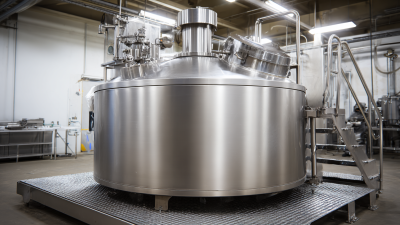
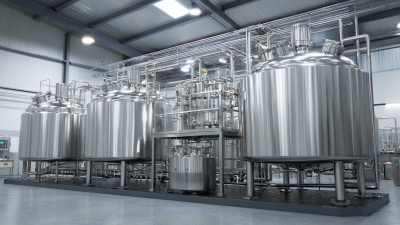
In the world of industrial production, a high-quality Stainless Mixing Tank plays a crucial role. These tanks are essential for various processes, including mixing, blending, and storing. Global buyers seek durability, efficiency, and reliability in their equipment. The right choice can significantly enhance productivity and product quality.
When selecting a Stainless Mixing Tank, buyers should consider several factors. Material quality, tank design, and capacity are vital. Each aspect can affect performance. Additionally, understanding how the tank fits within your specific production process is important. While many products boast impressive features, not all may meet your unique needs.
There is strength in versatility. A well-designed Stainless Mixing Tank can cater to multiple applications, making it a valuable asset. However, there is room for improvement in design and user understanding. Buyers should analyze both their options and needs. This reflection can lead to a more informed purchasing decision, ultimately benefiting their operations.
What Are Stainless Mixing Tanks and Their Applications?
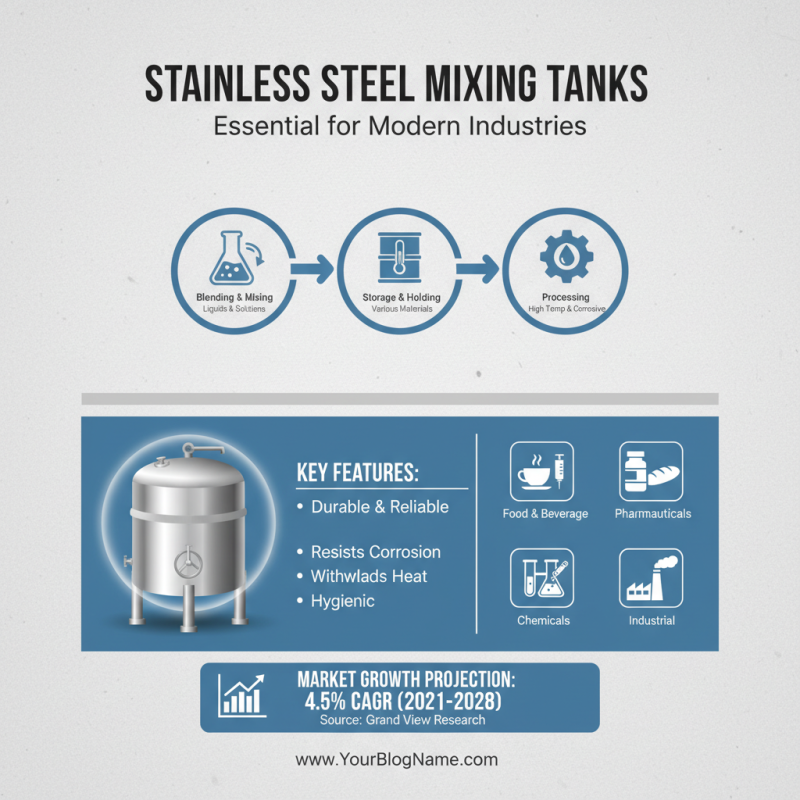
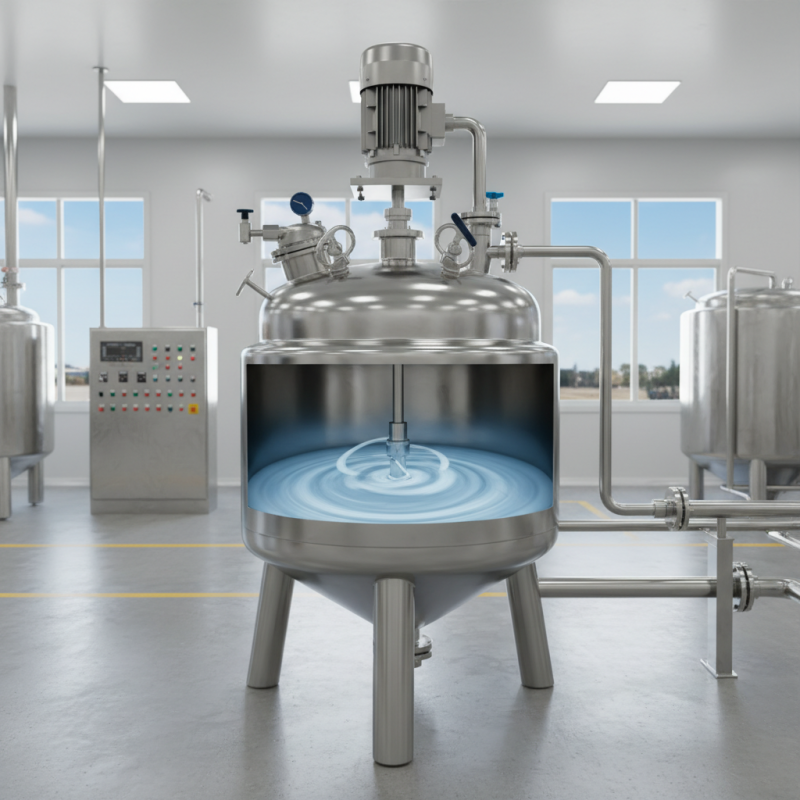
Stainless mixing tanks are essential in various industries, such as food and beverage, pharmaceuticals, and chemicals. These tanks are used for blending, mixing, and storing liquids. They can withstand high temperatures and corrosive materials, making them reliable for long-term use. According to a recent study by Grand View Research, the global mixing tank market is projected to grow at a CAGR of 4.5% from 2021 to 2028. This growth reflects increasing demand for efficient and durable mixing solutions.
The applications of stainless mixing tanks are diverse. In the food industry, they are crucial for producing sauces, dressings, and dairy products. The pharmaceutical sector uses these tanks for manufacturing and processing medications. Their versatility is one reason for the rising interest in stainless mixing technologies. However, not all tanks meet industry standards. Some manufacturers may cut costs, compromising quality and safety.
Maintaining the integrity of stainless mixing tanks is vital. Regular inspections can help identify wear and tear. Professionals recommend a maintenance schedule to ensure longevity. Despite advancements, issues like corrosion and contamination still require attention. This ongoing challenge highlights the need for reliable sources and expert knowledge in selecting mixing tanks.
Key Features of High-Quality Stainless Mixing Tanks
When it comes to selecting
high-quality stainless mixing tanks,
key features play a crucial role. Durable construction is essential.
Tanks should be made from high-grade stainless steel, known for its resistance to rust and corrosion.
Thickness matters, too. A tank too thin may lead to structural failures over time.
Another vital feature is the
mixing mechanism.
Look for tanks equipped with efficient agitators. They should blend substances evenly.
The design of the agitator impacts how well ingredients combine.
Ineffective designs may require longer mixing times or uneven blends.
Tips: Always check for certifications.
Tanks should comply with industry standards. This offers peace of mind regarding safety and performance.
After purchase, regular maintenance is necessary. Inspect for signs of wear and tear.
This proactive approach can extend the life of your mixing tank and improve efficiency.
Moreover, consider the
tank's size and shape.
It should align with your specific mixing requirements. An oversized tank may lead to wasted resources,
while a tank too small can cause inefficiencies. Think about your production needs carefully.
Reassessing your requirements can prevent future issues.
Top Manufacturers of Stainless Mixing Tanks Worldwide
Stainless mixing tanks are essential in various industries, including food processing, pharmaceuticals, and chemicals. Their versatility and durability make them a global favorite. According to industry reports, the stainless steel mixing tank market is projected to grow at a compound annual growth rate (CAGR) of 5.6% from 2021 to 2028. This growth highlights the demand for high-quality tanks that meet rigorous industry standards.
The key manufacturers of stainless mixing tanks emphasize innovation and customization. They focus on developing tanks that cater to specific industry needs. Recent surveys noted that 70% of buyers prioritize quality and reliability in their purchasing decisions. Additionally, many manufacturers are investing in advanced technologies, such as automated mixing systems. This shift responds to the demand for efficiency and precise control in production processes.
Despite these advancements, challenges persist. Some manufacturers struggle with supply chain disruptions. Quality control remains a critical focus area, as variations can affect tank performance significantly. Industry experts recommend regular audits and tests to ensure tanks meet expected standards. Investing in high-quality materials also plays a crucial role in prolonging the life of mixing tanks. The balance between cost and quality continues to be a topic of discussion within the industry.
Factors to Consider When Purchasing Mixing Tanks
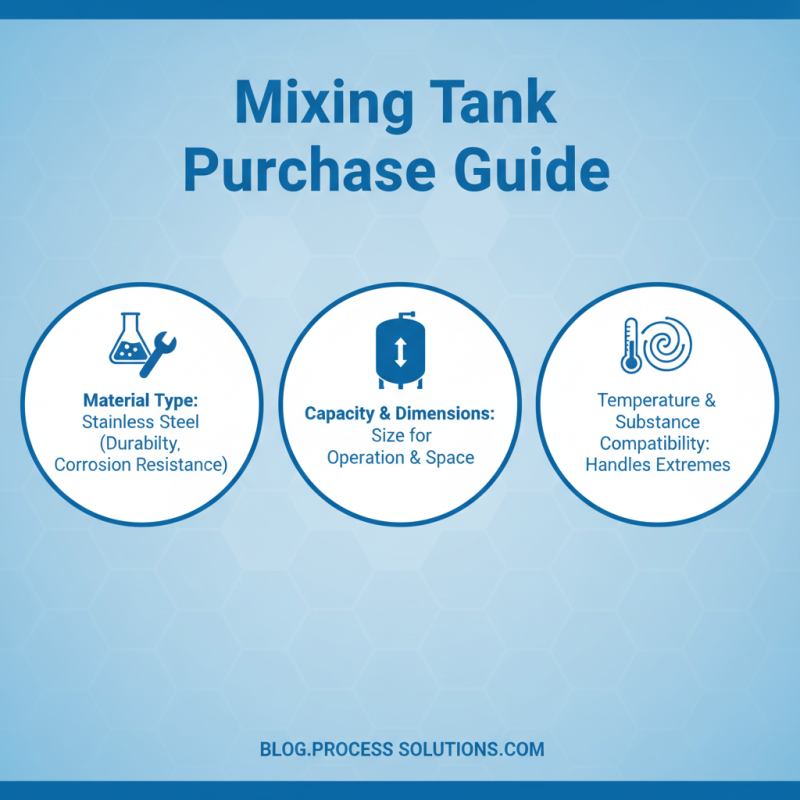
When purchasing mixing tanks, there are several key factors to consider. The material used in the construction is crucial. Stainless steel is often preferred for its durability and resistance to corrosion. Quality stainless tanks can handle extreme temperatures and various substances. Evaluate the tank's capacity and dimensions carefully. Consider the size of your operation and the space available.
Mixing efficiency is another vital aspect. Look for tanks designed with effective mixing features. Agitator design, speed, and motor type can greatly impact performance. You might need a tank with adjustable settings to accommodate different materials. Moreover, ensure that the tank meets industry standards for safety and hygiene.
Cost is also an important factor. Higher-quality tanks typically come with a larger price tag. However, a more affordable option may end up costing more over time due to repairs and replacements. When making your choice, reflect on your long-term operational needs. Quality often outweighs price in the mixing tank industry. Plan for the future and invest wisely.
Maintenance Tips for Prolonging the Life of Mixing Tanks
Mixing tanks play a crucial role in various industries, including food and beverage, pharmaceuticals, and chemicals. Maintaining these tanks is essential for optimal performance and longevity. Regular inspections can help identify issues early. Check for signs of wear or corrosion. Addressing these concerns promptly can save time and costs in the future.
Cleaning is another critical aspect of maintenance. Using the right cleaning agent is vital. Harsh chemicals can damage the stainless surface. Consider gentle yet effective cleaning solutions. Rinsing thoroughly helps prevent residue build-up. Regular cleaning schedules should be established to keep the tanks in top condition.
Proper storage is also important. Store tanks in a dry, clean environment to avoid rust and other contaminants. Ensure they are positioned to prevent excessive moisture accumulation. Additionally, regular training for staff on maintenance procedures can foster a culture of care. Consistent attention can enhance the life of the mixing tanks significantly. This approach not only saves money but also ensures the quality of products processed within the tanks.
Top Quality Stainless Mixing Tanks for Global Buyers - Maintenance Tips for Prolonging the Life of Mixing Tanks
| Tank Type |
Capacity (Liters) |
Material Grade |
Maintenance Frequency |
Common Issues |
| Horizontal Mixing Tank |
500 |
316 Stainless Steel |
Monthly |
Corrosion, Leaks |
| Vertical Mixing Tank |
1000 |
304 Stainless Steel |
Weekly |
Agitation Issues |
| Cone Bottom Mixing Tank |
750 |
316L Stainless Steel |
Quarterly |
Settling of Materials |
| Agitated Mixing Tank |
300 |
304 Stainless Steel |
Bi-Annually |
Wear on Blades |
| Double Wall Mixing Tank |
2000 |
304L Stainless Steel |
Annually |
Insulation Failure |