| 1. Container and Bag Preparation |
The empty aerosol container, valve, and flexible inner bag are inspected and prepared for filling. The bag is normally folded or collapsed to remove unnecessary trapped air. |
Container infeed, bag-and-valve assembly, air removal or vacuum preparation, and cleanliness inspection. |
Container volume: commonly 50–750 mL
Bag material: multilayer polymer film selected for product compatibility
Clean, dry, and particle-free filling path |
Correct container and valve orientation; no visible damage, contamination, or leakage in the bag assembly. |
| 2. Product Dosing into the Bag |
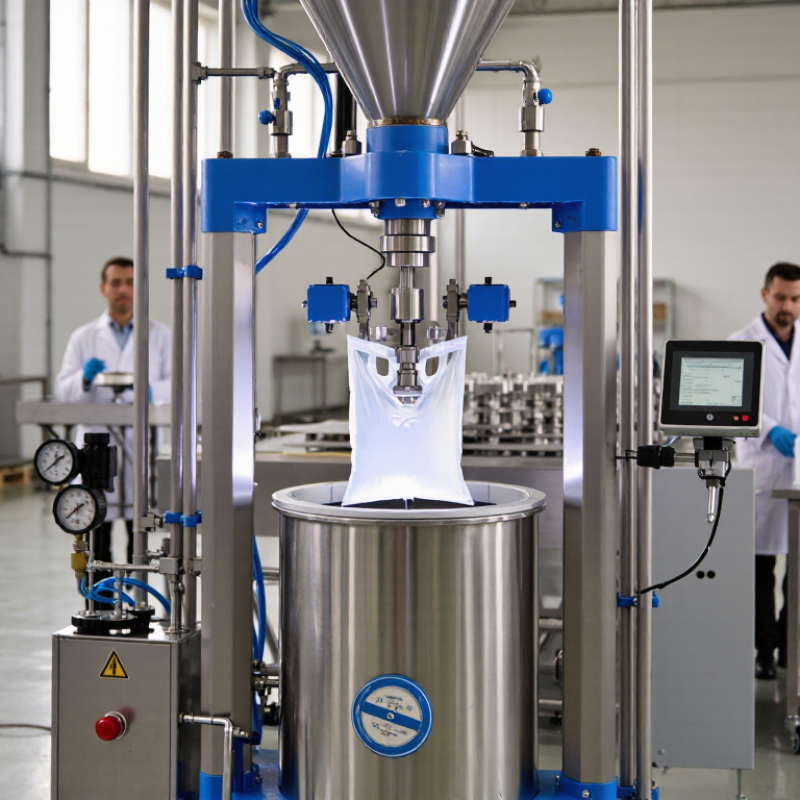
The formulation is metered through the valve and into the internal bag. The product remains separated from the propellant in a BOV package. |
Servo-driven piston pump, mass-flow meter, or precision volumetric dosing system connected to the filling head. |
Typical fill accuracy: approximately ±1–2% of target fill, depending on product and equipment
Product temperature: commonly 15–30°C
Filling pressure: typically controlled below the product’s foaming or cavitation limit |
Target product mass or volume, fill-weight tolerance, absence of excessive foam, and correct product identification. |
| 3. Valve Placement and Crimping |
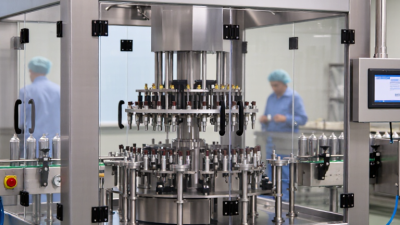
The valve is seated on the container and mechanically crimped to create a sealed connection between the valve cup and the container neck. |
Valve placer followed by a pneumatic or servo-controlled crimping head. |
Crimp diameter and crimp depth: set according to the valve and container specifications
Crimp force: monitored to prevent under-crimping or deformation
Valve alignment: concentric with the container opening |
Crimp dimensions, valve height, valve security, and seal integrity are checked before propellant charging. |
| 4. Propellant Charging |
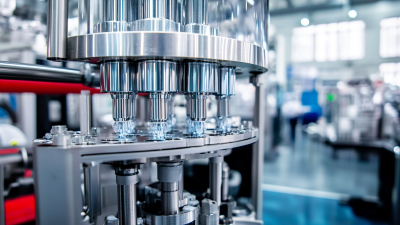
Propellant is introduced into the space between the bag and the outer container. The propellant applies pressure to the bag and drives the product through the dip tube or valve outlet during use. |
Pressure-filling chamber, propellant metering system, pressure regulator, and automated charging valve. |
Typical internal pressure at 20°C: approximately 3–8 bar, depending on propellant and package design
Propellant dose: commonly 5–20% of total package mass
Charging temperature: controlled to limit pressure variation |
Propellant mass, package pressure, leak tightness, and compliance with the approved formulation and safety specification. |
| 5. Functional Testing and Final Release |
Filled packages are tested to confirm that the valve dispenses correctly, the bag separates the product from the propellant, and the package remains sealed during storage and use. |
Leak tester, weight checker, actuator test station, visual inspection system, and sampling equipment for pressure or spray performance. |
Net content: within the declared fill tolerance
Leak test: commonly performed using controlled pressure, water-bath, or instrumented methods
Spray output: evaluated for discharge, dose consistency, and appearance |
No leakage, correct discharge, acceptable spray pattern, accurate net content, intact container, and readable production coding. |