Top Liquid Filling Machines What You Need to Know?
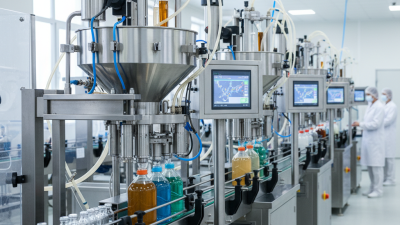
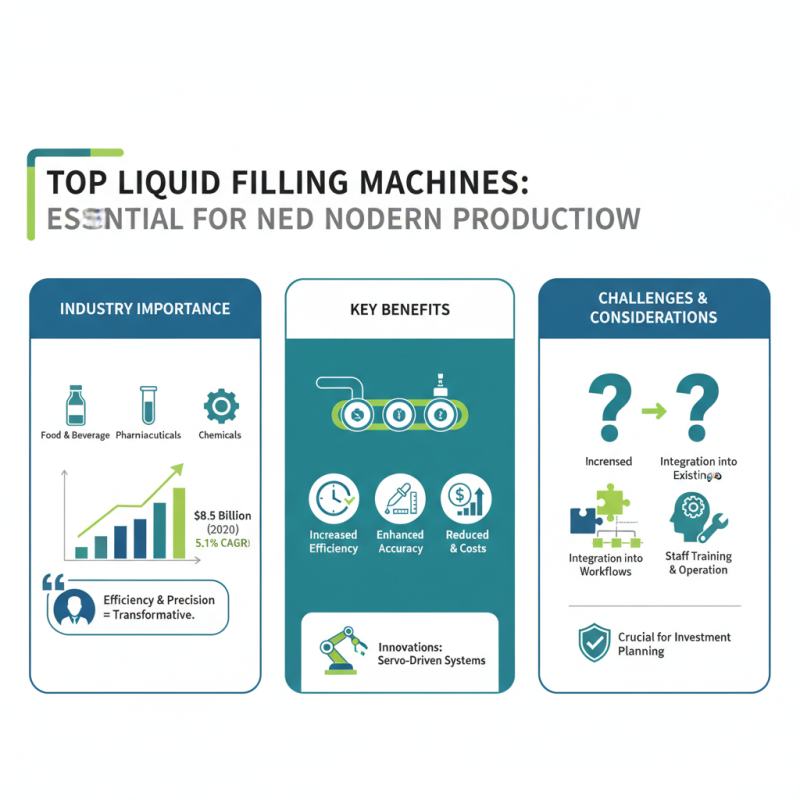
Liquid Filling Machines are essential for various industries, including food and beverage, pharmaceuticals, and chemicals. They enhance efficiency and accuracy in production lines. According to a recent report by MarketsandMarkets, the liquid filling machine market is projected to reach $11.5 billion by 2025, growing at a CAGR of 5.1%. This growth underscores the rising demand for automated solutions in manufacturing.
Industry expert Dr. Alice Johnson highlights, “The efficiency and precision of Liquid Filling Machines are transformative for modern production systems.” Her insights reflect the vital role these machines play in maintaining quality and reducing waste. Companies are increasingly adopting innovations like servo-driven systems, improving speed and flexibility.
However, the implementation of Liquid Filling Machines is not without challenges. Many businesses struggle with integration into existing workflows. Training staff to operate these advanced machines can also be daunting. Recognizing these hurdles is crucial for any organization considering investment in liquid filling technology.
Overview of Liquid Filling Machines: Types and Applications
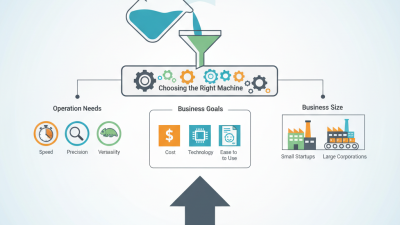
Liquid filling machines are essential in many industries. They increase efficiency and ensure precise filling. These machines vary widely in design, function, and application. Understanding the types is crucial for selecting the right one.
There are several types of liquid filling machines. For instance, gravity fillers are simple and commonly used for thinner liquids. They rely on gravity to dispense the liquid accurately. On the other hand, piston fillers are better for thicker substances. They provide a higher degree of measurement accuracy. More complex options include vacuum fillers, which use suction to fill containers. Each type has unique strengths and weaknesses.
Applications of liquid filling machines span various sectors. Food and beverage production utilizes them for sauces, juices, and oils. Pharmaceuticals rely on precise filling for medicines in bottles. Chemicals also benefit from these machines for safe, reliable packaging. However, each application presents challenges, such as compatibility with different liquids or container shapes.
Reflecting on these issues can lead to better machine choices and improved production lines.
Key Features to Consider When Choosing a Liquid Filling Machine
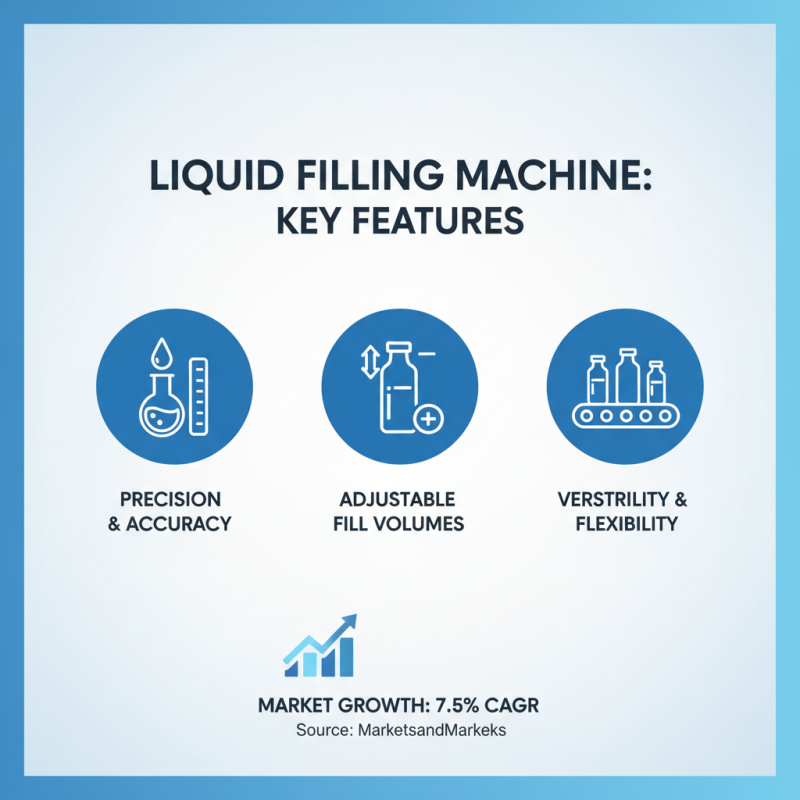
When selecting a liquid filling machine, several key features are crucial. Precision is vital in achieving consistent fill levels. According to a report by MarketsandMarkets, the liquid filling machine market is projected to grow by 7.5% annually, highlighting the demand for accuracy. Machines with adjustable fill volumes can cater to various product sizes, ensuring flexibility for manufacturers.
Speed is another critical factor. Modern machines can fill up to 300 bottles per minute, improving production efficiency. However, higher speeds may compromise precision, leading to overfills or underfills. Balancing speed and accuracy presents challenges that require careful consideration.
Lastly, the material of the machine impacts both durability and hygiene. Stainless steel is preferred for its corrosion resistance and ease of cleaning. Neglecting machine maintenance can lead to inefficiencies and contamination risks. Regular assessments of machine performance are essential to avoid costly downtimes. Continuous improvement in technology can address these challenges, but manufacturers must remain vigilant in their evaluations.
Benefits of Automating Your Liquid Filling Process
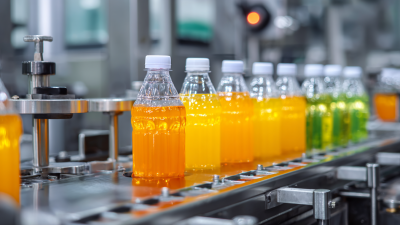
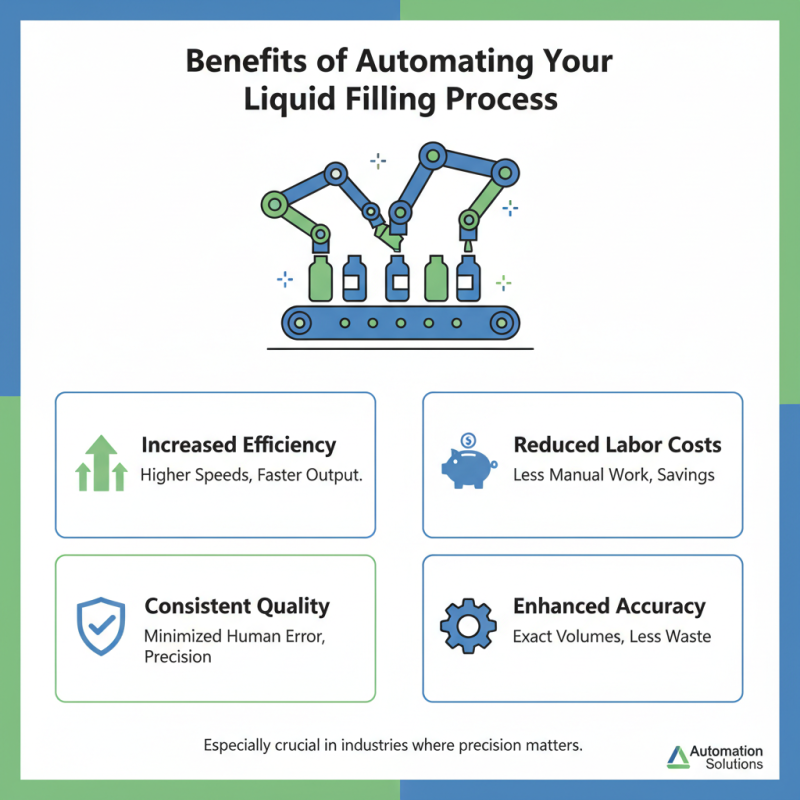
Automating your liquid filling process offers numerous advantages. It boosts efficiency and reduces labor costs. Machines can operate at high speeds, filling bottles quickly and accurately. Human error is minimized, leading to consistent product quality. This is especially important in industries where precision matters.
Implementing automation can be challenging. Initial investment costs may be high. Businesses need to consider space and maintenance. Not all filling machines can handle every type of liquid. Some may struggle with thicker substances or foamy liquids. It’s essential to test different options and conduct trials to find the best fit.
Another consideration is the learning curve for staff. Employees may need training to operate new machinery. Resistance to change can cause delays in the transition. However, dedicated training can transform this obstacle into an opportunity for improvement. Ultimately, the benefits of automation often outweigh these initial challenges. Increased speed, reduced waste, and improved safety create a compelling case for modernization.
Maintenance Practices for Optimal Performance of Filling Machines
Maintaining liquid filling machines is crucial for optimal performance. Regular maintenance helps prevent unexpected breakdowns. According to a recent report by the Packaging Machinery Manufacturers Institute, over 25% of production downtime is due to equipment failure. Neglecting machine upkeep can be costly.
Routine checks are essential. These should include inspections of seals and nozzles. Wear and tear can lead to leaks. Small leaks can escalate quickly, affecting production efficiency. The report indicates that a single malfunction can disrupt up to 50% of daily output.
Cleaning is another vital aspect of maintenance. Residue buildup can affect product quality. For instance, a study showed that unclean machinery can diminish filling accuracy by as much as 15%. Operators must adopt a disciplined cleaning routine. It’s not just about compliance; it's about ensuring reliability and consistency in production.
Future Trends in Liquid Filling Technology and Automation
The future of liquid filling technology is exciting yet complex. Innovations are reshaping how liquids are packaged. Automation is becoming a key element. Machines are smarter and faster now, reducing human error. These trends show great promise but pose challenges as well.
Efficiency is vital in today’s market. Companies seek high-speed solutions. However, not all automated systems guarantee perfection. The integration of advanced technology often leads to unforeseen issues. These can include calibration errors or unanticipated wear and tear. It’s crucial for manufacturers to invest in proper training and maintenance.
Moreover, sustainability is becoming a focal point. Consumers demand eco-friendly packaging. This shift requires liquid filling machines to adapt. The transition might not be seamless. Companies may struggle to meet green standards while maintaining performance. Finding the balance between efficiency and sustainability is essential but challenging.