Top 5 Chemical Mixer Machine Options for Global Buyers?
In the competitive landscape of industrial manufacturing, the "Chemical Mixer Machine" plays a crucial role. According to a report by Grand View Research, the global chemical mixing equipment market is projected to reach USD 7.8 billion by 2027. This underscores the rising demand for effective mixing solutions across various industries, including pharmaceuticals and food processing.
Chemical mixers are vital for achieving consistent quality and enhancing productivity in production processes. However, choosing the right mixer can be overwhelming due to the multitude of options available. Factors such as mixer type, capacity, and energy efficiency must be considered. A comprehensive understanding of these variables ensures informed decision-making.
Despite advancements, challenges persist in selecting the optimal mixer. Buyers often face uncertainty about operational efficiency and long-term reliability. This article explores the top five chemical mixer machine options available for global buyers. By examining their features and applications, we aim to guide businesses in making smart investments that align with their operational goals.
Top 5 Chemical Mixer Machine Options for Global Buyers
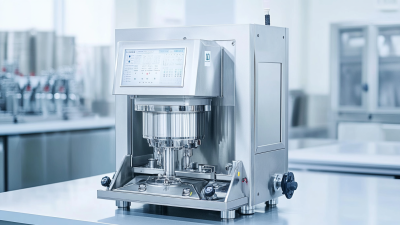
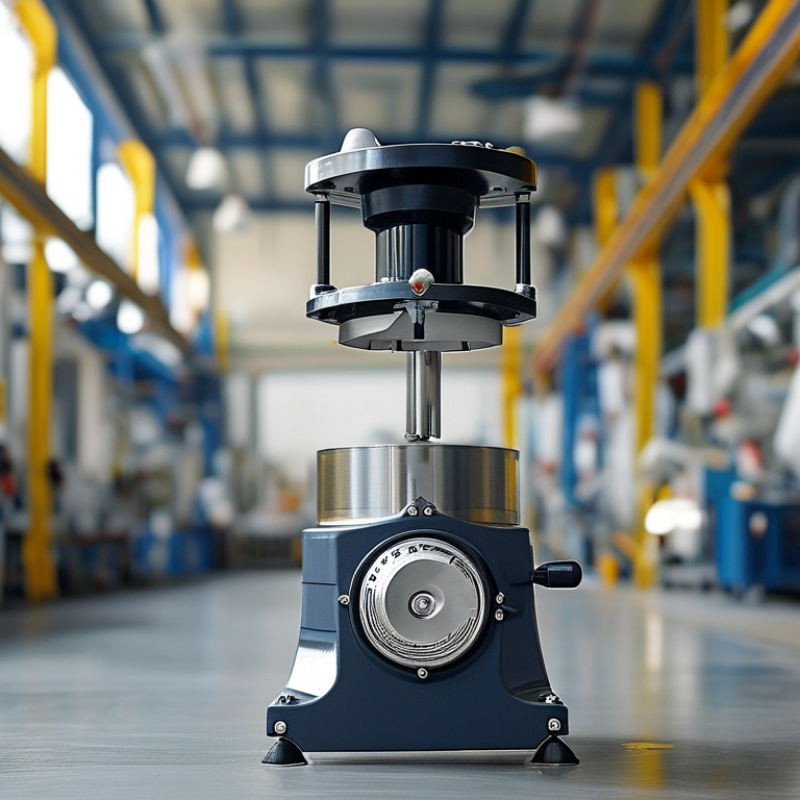
When selecting a chemical mixer machine, global buyers face choices that vary in design and functionality. Opting for the right mixer is crucial for achieving consistent results in chemical production. Several types offer unique advantages depending on the application.
High-shear mixers excel in emulsifying and homogenizing, while paddle mixers are great for combining dry powders and granules efficiently.
Another consideration is the scale of operations. For small-scale production, compact machines work well, offering ease of use without compromising quality. In contrast, larger operations might require robust industrial mixers that handle substantial volumes reliably.
Look for designs that provide easy cleanability and maintenance. Efficiency is not just about mixing but also downtime reduction.
Buyers often overlook the importance of energy consumption in their selection process. Machines with lower energy requirements can save costs in the long run. However, the trade-off might be slower processing times. It's essential to find a balance.
Consider different mixing techniques as they affect the final product's quality. Often, careful analysis and testing are necessary to determine the best fit for specific chemical processes, ensuring that safety standards and product integrity are consistently maintained.
Overview of Chemical Mixer Machines: Types and Applications
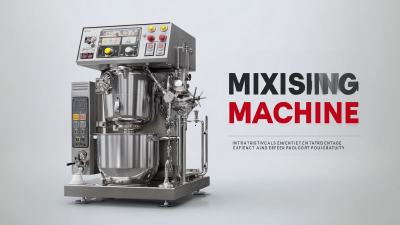
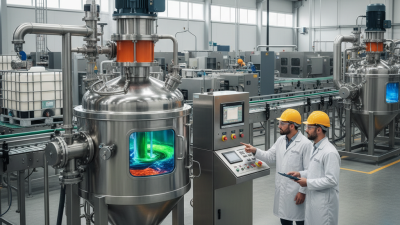
Chemical mixer machines play a vital role in various industries, including pharmaceuticals, food production, and chemical formulations. These machines are designed to combine liquids, solids, and even gases, ensuring a uniform mixture. There are several types of chemical mixers available, each suited for different applications.
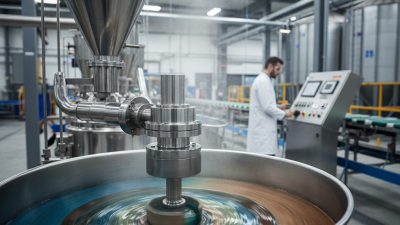
For example, planetary mixers are often used for heavy-duty tasks. They are ideal for viscous materials and can tackle an array of formulations. On the other hand, high-shear mixers excel in emulsifying and dispersing ingredients, making them perfect for cosmetic and personal care products. Understanding the unique functions of each type will help in selecting the right mixer for your needs.
Tips: Always check the mixer’s specifications. Ensure it matches your material viscosity and volume needs. Experimentation is critical. Sometimes, the choice of mixer may not yield the expected results. Adjusting parameters like speed and time can have significant effects on the outcome. Performance may vary across applications, so keep records of your findings for improvement.
Top 5 Chemical Mixer Machine Options for Global Buyers
| Type of Mixer |
Key Features |
Applications |
Mixing Capacity (Liters) |
Power (kW) |
| Batch Mixer |
High efficiency, easy maintenance |
Chemicals, Food Products |
50 - 500 |
5 - 20 |
| Continuous Mixer |
Consistent mixing, high capacity |
Plastics, Pharmaceuticals |
100 - 1000 |
10 - 50 |
| Planetary Mixer |
Versatile, effective for viscous materials |
Cosmetics, Chemicals |
20 - 300 |
3 - 15 |
| Ribbon Mixer |
Excellent for bulk materials |
Food, Pharmaceuticals |
50 - 800 |
5 - 30 |
| High-Shear Mixer |
Rapid mixing, ideal for emulsification |
Cosmetics, Chemical Processing |
10 - 200 |
2 - 10 |
Key Features to Consider in Chemical Mixer Selection
When selecting a chemical mixer machine, several key features emerge as crucial. One major aspect is the type of mixing technology employed. Whether using high shear or planetary mixers, each technology serves specific applications. High shear mixers are effective for emulsifying and dispersing components, while planetary mixers provide thorough mixing of thicker materials. Understanding your product needs can guide you toward the right technology.
Another important factor is the construction material of the mixer. Stainless steel is a popular choice due to its resistance to corrosion and ease of cleaning. However, some applications may require specific alloys or coatings to enhance longevity and performance. Keep in mind, not all materials are equally suitable for every chemical. This creates room for improvement when making decisions.
Operational efficiency is another consideration. Look for features like adjustable speed and programmable controls, which can lead to better mixing results. However, it's crucial to realize that efficiency should not compromise safety. The process of selecting a mixer can involve trial and error. Consider pilot testing before finalizing a purchase. Each selection process offers an opportunity to learn, even when outcomes are not as expected.
Market Trends in Chemical Mixer Machines: 2023 Global Insights
The global chemical mixer machine market is witnessing significant changes in 2023. According to a recent report by MarketsandMarkets, the market is projected to reach $6.3 billion by 2025, growing at a CAGR of 4.5%. This growth is driven by the increasing demand for efficient mixing processes across industries, including pharmaceuticals, food and beverage, and chemicals. Manufacturers are now prioritizing energy efficiency and advanced mixing technologies.
Recent insights highlight that buyers are leaning towards versatile mixer designs. These designs cater to various applications, enabling companies to reduce downtime and increase production efficiency. However, not all mixers are created equal. Some buyers report challenges in scaling up production due to compatibility issues with existing systems. This leads to increased operational costs and inefficiencies.
Sustainability is also emerging as a key trend. Investigating eco-friendly materials and processes shows promise in meeting regulatory standards. Adopting sustainable practices could enhance product lifecycle and reduce the carbon footprint. Yet, the implementation of such changes requires substantial investment. Balancing innovation with cost-effectiveness remains a critical challenge for many global buyers in this evolving market.
Comparative Analysis of Leading Chemical Mixer Brands
When selecting a chemical mixer machine, various factors come into play. The design and technology of the mixer can significantly impact efficiency and mixing quality. Traditional mixers may lack the versatility that some modern designs offer. For instance, advanced models often incorporate features like adjustable speeds and customized mixing cycles.
Compatibility with different chemicals is another crucial aspect. Many mixers are designed for specific applications, which can limit their usage. Buyers might find that products claiming universal adaptability fall short when tested in real-world scenarios. The materials used in construction also matter. Durable components ensure longevity and reduce maintenance needs, yet some budget-friendly options use less reliable materials.
User feedback is a valuable resource for decision-making. Reviews often highlight performance issues that manufacturers might not disclose. It’s essential to weigh these insights against technical specifications to make an informed choice. Ultimately, effective mixers should combine quality, reliability, and user-centric features to meet diverse laboratory or industrial requirements.
Conclusion
The article "Top 5 Chemical Mixer Machine Options for Global Buyers" provides a comprehensive overview of chemical mixer machines, detailing their various types and applications in diverse industries. It highlights key features that buyers should consider when selecting a machine, such as mixing efficiency, size, and compatibility with different materials. Furthermore, the article discusses the latest market trends for 2023, offering global insights into the evolving landscape of chemical mixing technologies.
In addition, the comparative analysis of leading chemical mixer brands helps potential buyers make informed decisions based on functionality and innovation. Emphasizing sustainability, the article also addresses the importance of environmentally friendly practices in chemical mixing processes. Overall, this summary underscores the significance of choosing the right chemical mixer machine to optimize operations and meet specific industry needs.