Leave Your Message

China Top 10 Aerosol Filling Machine Manufacturers

China Top 10 Aerosol Filling Machine Manufacturers introduces leading Chinese suppliers in a practical, evidence-based way. The article examines manufacturers serving compliant products, including cosmetics, household goods, medical sprays, and industrial maintenance formulas. It does not promote restricted or unlawful applications.

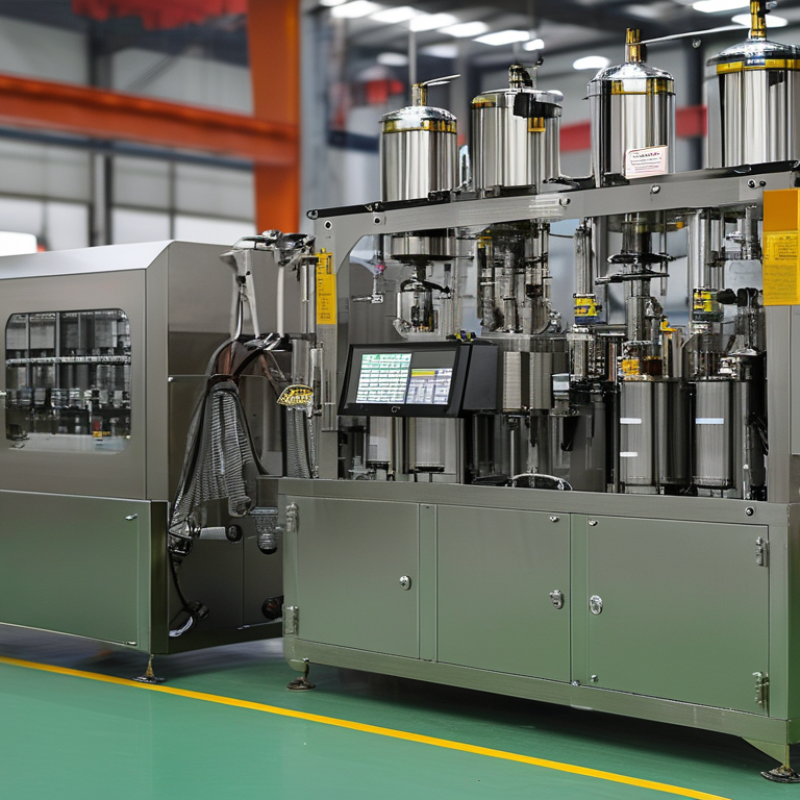
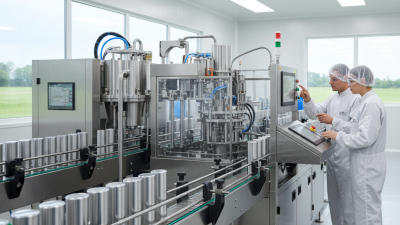
An Aerosol Filling Machine is more than a fast production unit. It must measure liquid accurately, control propellant filling, crimp valves consistently, and detect leaks before shipment. A reliable line should also protect operators and maintain stable performance during long production runs. Clean stainless-steel surfaces matter. So do clear control panels, repeatable dosing, and accessible maintenance points.

Professor Anthony J. Hickey, a recognized aerosol science researcher, expresses the central principle clearly: “The device and formulation must work together.” That relationship guides this comparison. A machine may look impressive in a showroom, yet perform poorly with a different can diameter, valve type, or formulation viscosity.

No ranking is perfect. Some manufacturers publish limited technical data, while service quality can vary by region. Therefore, this overview considers production experience, engineering capability, safety design, quality management, customization, testing support, and after-sales response. It also encourages buyers to request factory records, sample fills, acceptance-test results, and references from comparable plants.

Small details reveal competence. Watch the actuator timing. Check the crimp depth. Inspect the filled can’s weight.

The selected China Top 10 Aerosol Filling Machine Manufacturers represent different strengths, not identical solutions. Readers should compare verified specifications against their own packaging materials, output targets, and regulatory responsibilities before making a final decision.
China Top 10 Aerosol Filling Machine Manufacturers

Aerosol Filling Machines: Definition, Functions, and Main Applications

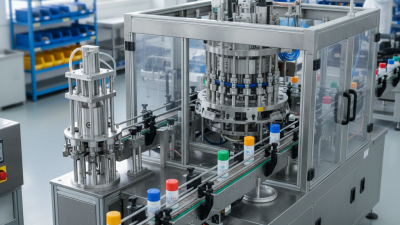
Aerosol filling machines are production systems that dose product, propellant, and sometimes compressed gas into aerosol containers. Their main functions include liquid filling, valve placement, crimping, propellant charging, and leak testing. In a well-managed line, sensors monitor fill weight and container position. Pressure-rated components are essential. Operators should also verify calibration before each production shift. Small measurement errors can affect spray quality, pressure, and customer safety. No machine removes every risk. Human inspection still matters.

These machines support personal care products, household cleaners, surface treatments, food applications, and approved medical products. Each application needs a suitable filling method. Foaming products may require different dosing controls than thin liquids. Viscosity, temperature, container size, and valve design all influence performance.

Experienced technicians usually test sample batches before full production. They record results, investigate variation, and adjust settings carefully. A rushed setup may appear efficient, but it can create costly rejects later. That lesson is easy to overlook.

Tips: Choose equipment with clear safety controls, accessible cleaning points, and reliable weighing systems. Confirm that all materials suit the product formula and container pressure. Review local requirements for labeling, testing, worker protection, and waste handling. Keep maintenance records. They reveal patterns. Operators should receive practical training, not only written instructions. If spray weight changes unexpectedly, stop and inspect the nozzle, valve, and calibration status before continuing. A second review is often worthwhile.
Key Factors for Evaluating Chinese Aerosol Filling Machine Manufacturers

Choosing among China’s top aerosol filling machine manufacturers requires more than comparing quotations. A reliable review starts with product fit, not catalogue size. Ask how the line handles your can diameter, valve type, propellant, and target fill weight. Request recorded trials using comparable containers and materials. Watch the filling cycle closely. Inconsistent crimp depth, foam, or slow recovery can signal hidden production problems. A factory should explain its tolerances with measured data, not confident promises.

Technical credibility appears in engineering records, test methods, and change control. Check whether the manufacturer can provide drawings, electrical diagrams, operating manuals, spare-parts lists, and maintenance schedules. Inspect pressure-rated components, guarding, grounding, and emergency stops during a factory audit. Ask for documented leak testing, fill-weight verification, and cleanability procedures. Compliance evidence should match the destination market and the actual machine configuration. Generic certificates are not enough. The details matter. Talk with recent customers about response times, installation quality, and training after delivery. A video call helps, but it cannot replace an in-person inspection when the project is costly.

Commercial evaluation should include total operating cost. Compare energy use, changeover time, reject rates, consumable parts, and technician availability. A lower purchase price may become expensive after repeated stoppages. I have seen evaluations focus heavily on speed while overlooking cleaning access and operator ergonomics. That was a weak assumption. Production reality is less tidy than a brochure. Leave room for uncertainty, and ask what happens when a supplied component becomes unavailable. A dependable manufacturer gives clear limits, realistic delivery dates, traceable quality records, and a practical escalation path. Those answers reveal more than polished sales language.

China’s Top 10 Aerosol Filling Machine Manufacturers and Their Specialties

China’s top 10 aerosol filling machine manufacturers serve different production needs rather than offering identical solutions. Some specialize in piston-based liquid filling for stable creams, foams, and household sprays. Others focus on pressure filling, which suits higher-volume lines and consistent propellant control. Several manufacturers build servo-driven systems with touch-screen recipes, automatic valve placement, crimping, leak testing, and coding units.

Their specialties also appear in customization. One supplier may excel at compact machines for small workshops, while another designs complete lines with conveyors, gas charging, weighing, and carton packing.

Experienced manufacturers usually support factory acceptance testing, operator training, spare-parts planning, and process validation. These details matter because a fast machine is not useful if changeovers remain slow. A glossy brochure can still hide weak after-sales service.

Tips: Check the filling range, valve compatibility, output speed, and cleaning method before comparing prices. Ask for test records using your actual containers and formulas. Review safety documentation, electrical protection, emergency stops, and pressure-control procedures. Do not assume the most automated line is best. A simple system may be easier to maintain, although my own preference can change after seeing real production waste. Ensure the manufacturer explains installation limits, maintenance intervals, and response times clearly.

Product Comparison: Technology, Capacity, Safety, and Customization

China Top 10 Aerosol Filling Machine Manufacturers

Product Comparison: Technology, Capacity, Safety, and Customization

Comparing China’s top ten aerosol filling machine manufacturers requires more than checking price lists. Technology affects accuracy, speed, and maintenance. Servo-driven dosing systems usually provide steadier filling than basic pneumatic designs. PLC controls can record pressure, temperature, and production faults during each batch. Details matter.

Capacity should match the product and container size. Compact machines may handle 20 to 40 cans per minute, while automated lines can exceed 100. However, advertised output often excludes cleaning, changeover, and inspection time. Request a real production video. Measure twice. A factory should provide test results for fill-weight accuracy, leak detection, and pressure resistance. Operators also need guarded filling stations, emergency stops, grounded components, and clear operating procedures. Safety cannot depend only on software alarms.

Customization is valuable when container dimensions or formulas vary. Useful options include adjustable filling heads, quick-change tooling, automated valve placement, and compatible labeling modules. Stainless steel contact parts can simplify cleaning and support hygienic production. Ask whether the control system supports multiple languages and whether spare parts remain available. Factory audits, documented quality systems, and technician training strengthen reliability. Still, no supplier is perfect. Some interfaces may feel outdated, and delivery promises can change after design revisions. A practical comparison should include installation support, validation documents, warranty terms, and the cost of future upgrades.

How to Select the Right Chinese Aerosol Filling Machine Manufacturer

Choosing a Chinese aerosol filling machine manufacturer requires more than comparing prices. The right supplier should understand your container size, valve design, product viscosity, and target output. Ask for measured production data, not general promises. A dependable manufacturer can explain filling accuracy, crimping pressure, leak testing, and changeover time in clear terms.

Request a trial using your actual containers and approved product formula. Watch the line closely. Does the machine stop cleanly? Are containers aligned without excessive manual adjustment? Check contact materials, machine guarding, electrical documentation, and cleaning access. The manufacturer should provide drawings, operating instructions, spare-parts lists, and training plans. Verify which technical standards apply in your destination market. Compliance should be documented, not casually mentioned.

After-sales support often decides the real cost. Confirm response times, remote troubleshooting, installation assistance, and technician availability. Speak with several existing users, if possible, and ask about downtime after commissioning. I have seen attractive quotations hide expensive custom parts and slow communication. That mistake is easy to repeat. A detailed contract should define acceptance tests, output tolerance, warranty coverage, and responsibility for rejected components. Do not select the largest machine automatically. A slightly slower line may offer better stability, simpler maintenance, and room for future upgrades. Testing the complete process before payment remains essential.

China Top 10 Aerosol Filling Machine Manufacturers - How to Select the Right Chinese Aerosol Filling Machine Manufacturer

No. Evaluation Dimension Practical Industry Benchmark Why It Matters Verification Evidence to Request
1 Product and Can Compatibility The machine should support the required can diameter, can height, valve type, actuator format, and product formulation. Incorrect compatibility can cause leakage, unstable filling, excessive changeover time, or damaged components. Approved can drawings, valve specifications, product samples, and a documented compatibility matrix.
2 Filling Accuracy For liquid or concentrate filling, a commonly specified target is approximately ±1% to ±2%, subject to viscosity and filling volume. Consistent fill weight helps control material cost and supports finished-product quality checks. Factory acceptance test records, calibrated weighing equipment, repeatability data, and sample inspection results.
3 Rated Production Capacity Select a rated output that exceeds the required sustained production rate by about 15% to 25% to allow for changeovers, inspections, and minor stoppages. A small capacity reserve reduces pressure on the line and improves delivery reliability. A speed test using the customer’s containers, products, valves, and target filling volumes.
4 Filling Process Configuration Typical aerosol lines may include can loading, product filling, valve placement, crimping, propellant charging, leak testing, actuator insertion, and discharge. The required process sequence depends on whether the product uses pressure filling, cold filling, or another validated method. Process flow diagram, pneumatic and electrical schematics, equipment list, and risk assessment.
5 Safety and Hazardous-Area Design Equipment handling flammable propellants should include suitable grounding, bonding, ventilation, emergency-stop functions, guarding, and appropriately rated electrical components. Propellant handling may create fire, explosion, pressure, and static-electricity hazards. Hazard analysis, grounding test records, component certificates, safety interlock tests, and operating procedures.
6 Changeover and Cleaning Format parts should be replaceable with minimal tools, and product-contact areas should be accessible for cleaning and inspection. Fast changeover is important for multi-format or multi-product production schedules. Changeover procedure, estimated changeover time, spare format-part list, and cleaning validation guidance.
7 Control System and Data Management A modern line should provide adjustable filling parameters, alarm history, recipe management, sensor monitoring, and clear operator controls. Reliable controls improve repeatability, troubleshooting, and production traceability. Control-system architecture, sample HMI screens, alarm list, user-access levels, and backup procedures.
8 Quality Inspection Integration The line should allow integration of check-weighing, crimp-height inspection, leak testing, valve or actuator presence checks, and reject handling where required. Automated inspection reduces the risk of defective or leaking aerosol products reaching the packing stage. Inspection layout, tolerance settings, reject mechanism test, calibration plan, and sample defect challenge results.
9 Documentation and Compliance Support The supplier should provide manuals, electrical drawings, pneumatic diagrams, spare-parts lists, maintenance schedules, and applicable conformity documentation. Complete documentation supports installation, training, maintenance, audits, and future upgrades. Document index, sample manuals, inspection records, training plan, and export or local compliance checklist.
10 After-Sales Service and Total Cost Compare equipment price together with installation, commissioning, training, shipping, spare parts, consumables, maintenance, utilities, and expected downtime. The lowest purchase price does not necessarily provide the lowest lifetime operating cost. Detailed quotation, warranty terms, response-time commitment, spare-parts availability, service contacts, and lifecycle cost estimate.
Selection Note: The benchmarks above are practical evaluation criteria rather than claims about any specific supplier. Final performance should be confirmed through a product-based factory acceptance test using the buyer’s actual cans, valves, formulations, propellants, and target production conditions.