What is Liquid Mixer Machine and How to Choose the Right One?
In the world of manufacturing, choosing the right Liquid Mixer Machine is crucial. John Smith, an expert in industrial mixing technologies, once stated, "The right mixer can dramatically improve product quality and consistency." This highlights the importance of selecting suitable equipment for your specific needs.
Liquid Mixer Machines come in various types and sizes. Each mixer serves a unique purpose in different industries. With so many options, it can be overwhelming to make the right choice. Understanding key factors, such as viscosity and batch size, is essential.
Moreover, not all mixers are created equal. Some may not perform well under certain conditions. Focusing on quality and reliability is vital. A poor mixer can lead to wasted materials and time. Therefore, investing in the right Liquid Mixer Machine can save you headaches in the long run.
What is a Liquid Mixer Machine?
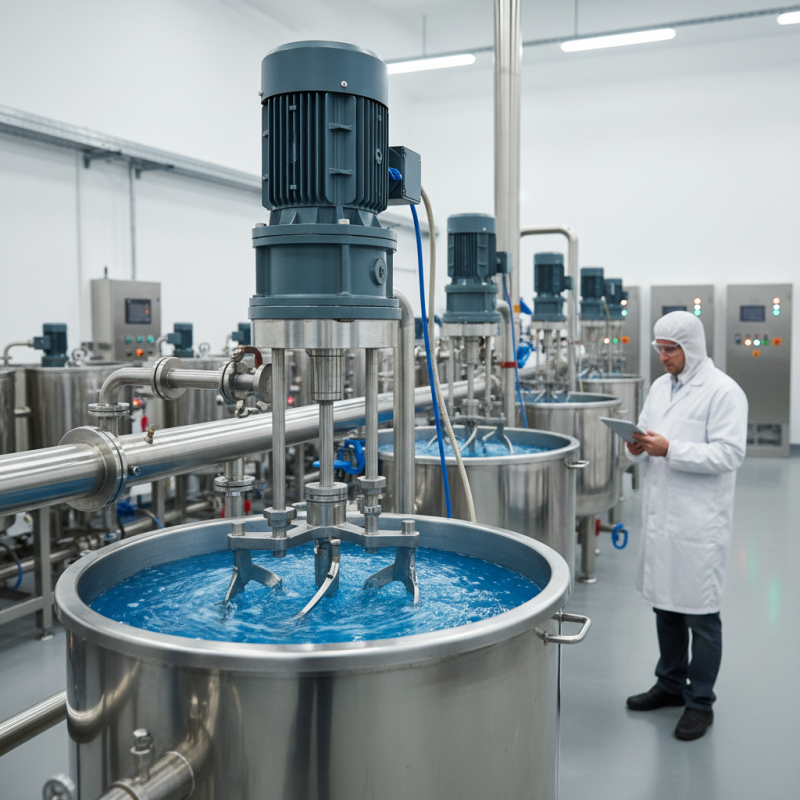
A liquid mixer machine is a crucial piece of equipment in various industries. It blends liquids, ensuring uniformity and consistency. Industries like food processing, pharmaceuticals, and cosmetics often rely on these machines for effective mixing. They help create products that meet quality standards and consumer expectations.
When selecting a liquid mixer machine, consider factors like capacity, viscosity, and mixing speed. Each application has different requirements. A machine that works well for one product may not suit another. It's essential to evaluate the specific needs of your process. For example, a thicker liquid may require a more powerful mixer. Pay attention to the design as well; some mixers are better at handling delicate liquids while others excel in more robust applications.
Unfortunately, not all liquid mixers perform equally. Some machines may fall short in delivering the required results. This discrepancy can lead to inconsistent product quality. Regular maintenance and proper operation are necessary to avoid common pitfalls. Investing in training for personnel using the machine can also enhance its efficiency. Understanding the limitations of your mixer is key to improving your production processes.
What is a Liquid Mixer Machine?
| Feature |
Description |
Application |
Capacity (L) |
Power (kW) |
| Mixing Type |
High Shear |
Food and Beverage |
50 |
7.5 |
| Mixing Type |
Planetary |
Cosmetics |
100 |
10 |
| Mixing Type |
Inline |
Pharmaceutical |
200 |
15 |
| Mixing Type |
Batch |
Chemical |
150 |
12 |
| Mixing Type |
Static |
Water Treatment |
300 |
5 |
Key Components of Liquid Mixer Machines
Liquid mixer machines play a crucial role in various industries, from food processing to pharmaceuticals. Understanding their key components can simplify your purchasing decision.
The heart of a liquid mixer machine is the motor. It drives the mixing action and affects the overall efficiency. A reliable motor ensures consistent performance over time. The mixing impeller is equally important. Its design influences how well the liquids blend together. Consider the viscosity and density of the liquids you will mix, as this impacts impeller selection.
Another essential component is the tank. Look for tanks that can withstand the pressure and chemical nature of the substances involved. Material choices like stainless steel enhance durability and cleaning efficiency.
Tip: Always ask about the maintenance requirements of the machine. Regular maintenance can prevent costly breakdowns.
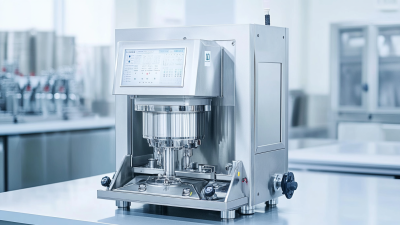
The control panel is often overlooked but is vital for monitoring the mixing process. A user-friendly interface allows for precise adjustments. This can lead to better product quality and consistency.
Tip: Don’t rush your decision. Evaluate different models against your specific needs. Take time to reflect on how each component aligns with your operations.
Liquid Mixer Machine Capacity Comparison
This bar chart illustrates the number of liquid mixer machine models available for different capacities. As observed, the 50L capacity has the highest number of available models, making it a popular choice among customers.
Types of Liquid Mixer Machines and Their Applications
Liquid mixer machines serve various industries, including food, cosmetics, and pharmaceuticals. Each type has unique features tailored to specific applications. For instance, high-shear mixers create emulsions by rapidly mixing liquids and solids. These are vital in producing stable sauces or creams. Another type, magnetic stirrers, works well for smaller batches. They ensure uniform mixing without contact, making them ideal for sensitive solutions.
The choice of a liquid mixer machine depends on the intended use. Understanding viscosity and batch size is crucial. For thick liquids, a robust mixer with adequate power is necessary. Conversely, lighter liquids may only require a gentler mixer. Reflecting on past experiences can guide your selection.
Have you faced challenges with mixing time or uniformity? These issues underline the importance of choosing the right equipment. Each application demands careful consideration to achieve optimal results.
Factors to Consider When Choosing a Liquid Mixer Machine
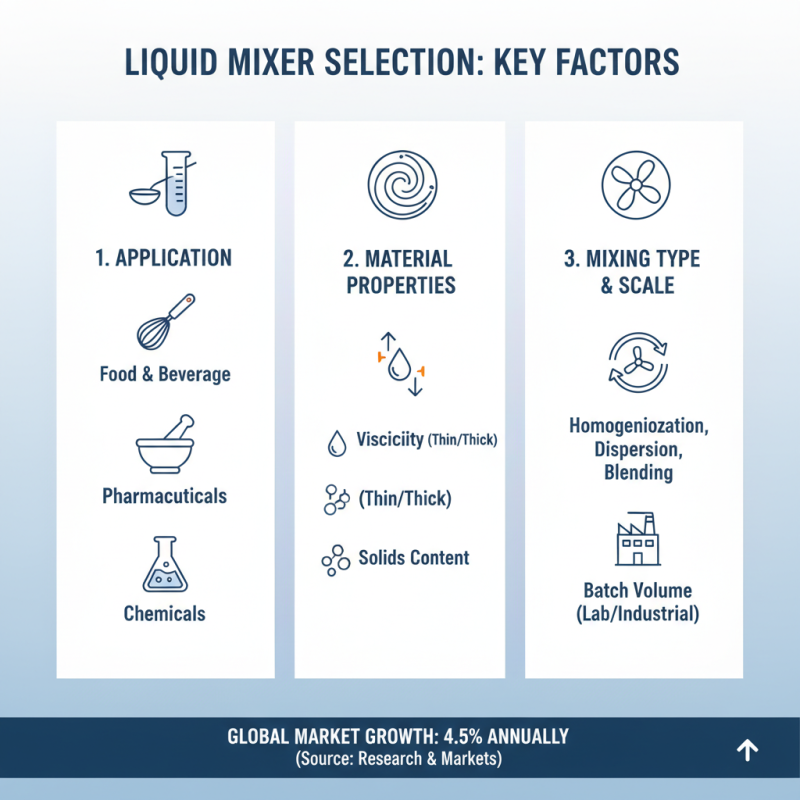
When selecting a liquid mixer machine, several key factors can significantly influence your decision. The application of the mixer plays a crucial role. Different industries, such as food, pharmaceuticals, and chemicals, have distinct requirements. According to a report by Research and Markets, the global liquid mixing equipment market is projected to grow by 4.5% annually, emphasizing the need for tailored solutions.
Capacity is another essential consideration. Assess the volume of liquid you plan to mix regularly. Machines are available in various sizes, typically ranging from small lab-scale mixers to large, industrial models. A mismatch here can lead to inefficiencies. For example, choosing an oversized mixer may increase energy costs unnecessarily.
Finally, the type of mixer technology is vital. There are various options, including agitators, paddles, and static mixers. Each has strengths and weaknesses. Performance in terms of shear, dispersion, and mixing efficiency varies widely. Keep in mind that achieving optimal results often requires trial and error in different settings. Understanding your specific needs can help ensure you select the right mixer that balances efficiency with operational demands.
Maintenance Tips for Liquid Mixer Machines
Maintenance of liquid mixer machines is crucial for optimal performance. Regular upkeep can extend the life of these machines significantly. According to the International Journal of Engineering Research and Applications, proper maintenance can reduce operational costs by up to 30%. This number highlights the importance of implementing a structured maintenance schedule.
Routine checks should include the inspection of seals and gaskets. These components are vital in preventing leaks. A small leak can lead to product loss, affecting profitability. Additionally, monitoring the mixer’s speed and temperature is essential. Deviations from optimal settings can compromise product quality. Industry reports suggest that a temperature change of just 5 degrees can alter the viscosity of certain liquids.
Cleaning is another critical aspect. Residue buildup can lead to contamination, impacting the end product. Using appropriate cleaning methods can mitigate this risk. However, many operators overlook this step, which can cause long-term issues. Investing time in cleaning protocols is necessary for maintaining the mixer’s integrity. Ultimately, consistent maintenance practices can lead to more reliable operations. This not only ensures product quality but also enhances operational efficiency.