What is Liquid Filling Machines and How Do They Work?
Liquid filling machines are essential tools in numerous industries, from food and beverage to pharmaceuticals. They streamline the packaging process, ensuring efficiency and accuracy. John Smith, a leading expert in packaging technology, once stated, "Liquid filling machines transform the way we handle production and packaging." This insight highlights their importance in modern manufacturing.
These machines operate by dispensing liquids with precision, minimizing waste and ensuring uniformity. Different types of liquid filling machines cater to various needs, such as volumetric, gravity, and piston fillers. Understanding their functionality can greatly enhance operational efficiency.
Despite technological advancements, challenges remain. Selecting the right machine can be daunting. Businesses often struggle with machine compatibility and maintenance. Balancing cost and quality is another concern. These factors must be carefully assessed to achieve optimal results in liquid filling processes.
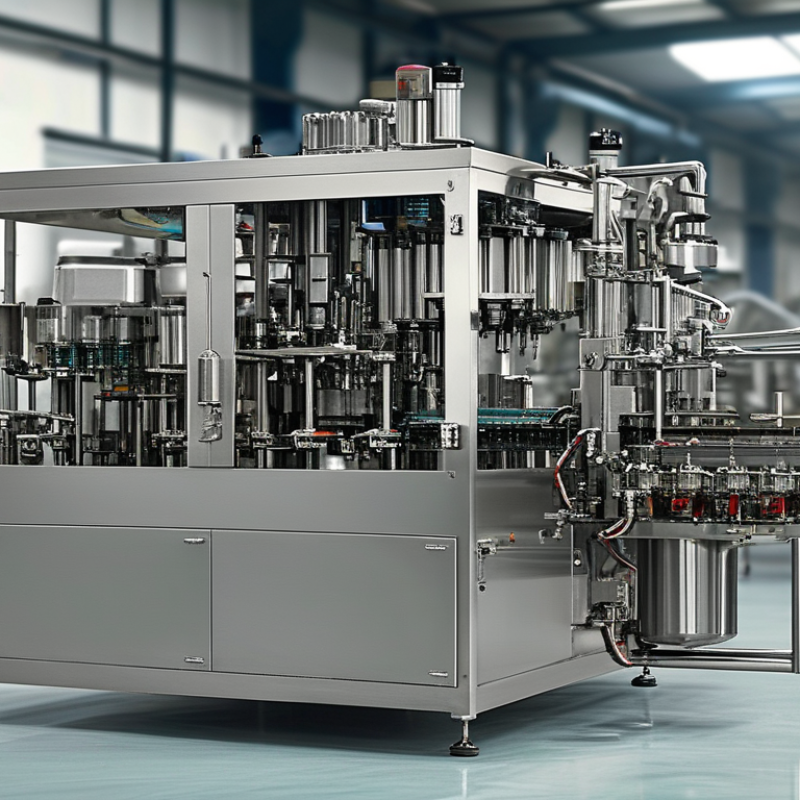
What are Liquid Filling Machines?
Liquid filling machines are essential tools in various industries, including food and beverage, pharmaceuticals, and cosmetics. They automate the process of filling containers with liquids, ensuring efficiency and precision. According to recent industry reports, the global market for liquid filling machines is expected to reach approximately $4.2 billion by 2025, reflecting a compound annual growth rate (CAGR) of 5.7% from 2020. This growth highlights the increasing demand for automation and precision in production lines.
Liquid filling machines can be categorized into various types, such as volumetric, gravity, and pressure filling machines. Each type serves specific industries and liquid viscosities. For example, volumetric machines measure precise volumes of liquid, while pressure machines fill liquids under controlled pressure. However, the choice of the right machine can be challenging. Businesses must consider factors like container sizes and production speeds. Efficiency is crucial, but achieving high accuracy can lead to high operational costs. Additionally, inconsistent liquid properties may require adjustments in machine calibration.
As companies aim to improve their filling accuracy, they also face challenges with equipment maintenance. Regular maintenance is necessary to prevent downtime and ensure reliability. Industry studies show that failure to maintain filling machines can result in production losses amounting to 5% or more. This not only affects profitability but also impacts customer satisfaction due to possible inconsistencies in product quality.
Types of Liquid Filling Machines Available in the Market
Liquid filling machines play a crucial role in various industries. They streamline the packaging process for liquids, from food and beverages to pharmaceuticals. This machine type varies in technology and application, affecting efficiency and cost-effectiveness. There are several types available on the market.
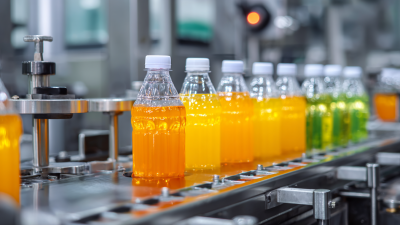
One common type is the gravity filling machine. They work well for thin liquids such as water or juice. The operation is straightforward, allowing for quick adjustments. Another popular option is the piston filling machine. This type is ideal for thicker liquids, like sauces or creams. It provides precise measurements, reducing waste. Industry reports indicate that the demand for piston fillers has increased by over 15% due to their accuracy and reliability.
Vacuum filling machines are also significant players in this space. They are known for handling viscous liquids and minimizing air bubbles, which is essential for maintaining product quality. Conversely, many users find these machines complex and difficult to operate effectively. According to market analysis, nearly 30% of manufacturers report challenges in operating vacuum fillers efficiently. Understanding these nuances can help businesses select the right equipment for their needs.
How Liquid Filling Machines Operate: A Step-by-Step Guide
Liquid filling machines are essential in various industries, from pharmaceuticals to food and beverages. Understanding how they operate is crucial for manufacturers. The process typically involves several key steps.
Initially, the container is placed on a conveyor belt. Sensors detect its position, ensuring it is correctly aligned. The machine then begins to fill the container with liquid. Gravity, vacuum, or pressure methods may be used, influenced by the liquid's viscosity and required fill accuracy. It’s interesting to note that a Campbell Alliance report highlights that improper filling can lead to 15% product waste in manufacturing. This underscores the need for precision in the process.
Regular maintenance is imperative. Schedule checks to avoid breakdowns. Adjust machine settings based on changes in liquid properties. Keeping your machines calibrated can significantly enhance efficiency and reduce costs.
Operators should be trained thoroughly. They must understand not just how to run the machines, but also how to troubleshoot common issues. For instance, inconsistent filling may indicate air bubbles in the liquid or equipment malfunction. Continuous improvement and training can empower your team, increasing reliability in production processes.
Invest in quality control measures. Testing filled containers ensures the accuracy of the volume. This step is crucial in meeting industry standards and customer expectations. Balancing speed and accuracy is a challenge that requires ongoing attention. Adjusting protocols based on feedback can lead to better outcomes.
What is Liquid Filling Machines and How Do They Work?
| Feature |
Description |
Applications |
| Type |
Gravity, Vacuum, Pressure |
Beverages, Chemicals, Pharmaceuticals |
| Filling Speed |
Up to 2000 bottles per hour |
Consumer Products, Food Industry |
| Container Types |
Bottles, Jars, Pouches |
Cosmetics, Household Products |
| Filling Accuracy |
± 0.5% to 1% |
Pharmaceuticals, Nutraceuticals |
| Automation Level |
Semi-Automatic to Fully Automatic |
Manufacturing, Packing Lines |
Key Components of Liquid Filling Machines and Their Functions
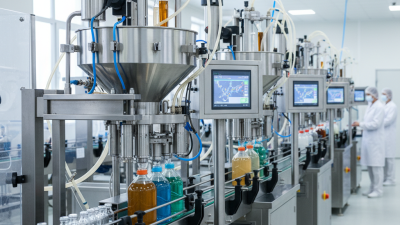
Liquid filling machines are essential in various industries. Understanding their key components helps us grasp how they function. The primary parts of these machines include the hopper, pump, and nozzle. Each component plays a crucial role in the filling process.
The hopper is where the liquid is stored before filling. It ensures a consistent supply of liquid. An effective hopper minimizes spillage and ensures precise measurements. The pump then transfers the liquid from the hopper to the filling nozzle. This mechanism must maintain accurate flow rates. Pumps can vary based on the viscosity of the liquid being filled.
Finally, the nozzle is responsible for dispensing the liquid into containers. It must have the right design for different container types. If not, it can lead to overfilling or underfilling. Some machines may face challenges with cleaning. Regular inspection and maintenance are vital to prevent contamination. Each component should work flawlessly for efficient operation. Understanding these parts helps in diagnosing problems too. Effective liquid filling relies on the seamless interaction of all components.
Applications of Liquid Filling Machines Across Various Industries
Liquid filling machines play a pivotal role in various industries, from food and beverage to pharmaceuticals. These machines are essential for ensuring products are accurately filled in containers, enhancing efficiency. In the cosmetic industry, they help fill creams and lotions into jars or tubes, maintaining hygiene and consistency. In the beverage sector, they precisely fill bottles with juices, water, and sodas, ensuring uniformity and minimizing waste.
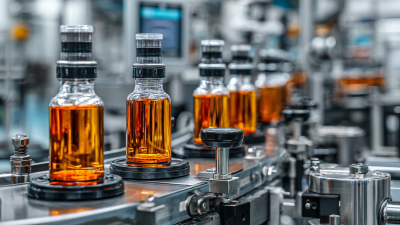
Moreover, the pharmaceutical industry relies heavily on liquid filling machines for packaging medications. These machines aid in filling vials and syringes, which is critical for dosage accuracy. However, the reliability of these machines can vary. Regular maintenance is required. Neglecting this can lead to inconsistencies in product filling, harming brand trust.
Many manufacturers are adopting advanced technologies for better performance. However, it's crucial to reflect on the complexities involved in setting up these machines. Calibration is often needed, which can be daunting for some operators. Improper set-up may lead to underfilling or overfilling, illustrating the importance of training. As industries evolve, ensuring liquid filling machines meet production demands while maintaining quality is essential for success.
Applications of Liquid Filling Machines Across Various Industries