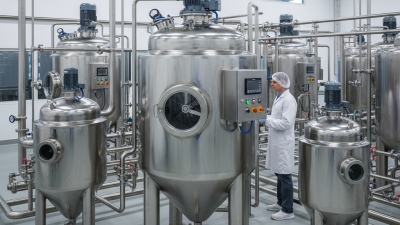
Choosing China’s best Liquid Filling Machines requires more than comparing prices, speeds, or polished factory photographs. The right machine must match your liquid’s viscosity, foaming behavior, temperature, container shape, and filling accuracy. Water-like products may run smoothly through a gravity or overflow filler. Thick honey, shampoo, and sauces need stronger control, often through piston or servo-driven systems. Small details matter. A narrow bottle neck can expose poor nozzle design within one production shift.
Packaging equipment consultant Paul Jenkins states, “The best filler is the one that matches the product, not the brochure.” This principle deserves attention when evaluating Chinese manufacturers. A reliable supplier should explain its testing process, calibration method, wetted materials, cleaning procedure, and after-sales support. Ask for a video using your actual liquid and containers. Request sample-fill records, not only performance claims.
Your production reality should guide the decision. Check whether operators can adjust the machine without special tools. Examine the control panel. Is the language clear? Can the system record filling results? Also inspect stainless-steel welds, nozzle movement, pump consistency, and changeover time. These physical details often reveal more than a catalog.
There is no perfect machine.
Even experienced buyers can overlook future product changes, maintenance training, or spare-part availability. That weakness deserves honest reflection. A low purchase price may become expensive when downtime, rejected bottles, and delayed technical support appear. This guide compares machine types, supplier capabilities, filling accuracy, hygiene considerations, customization options, and total ownership costs, helping buyers choose with evidence rather than confident promises.
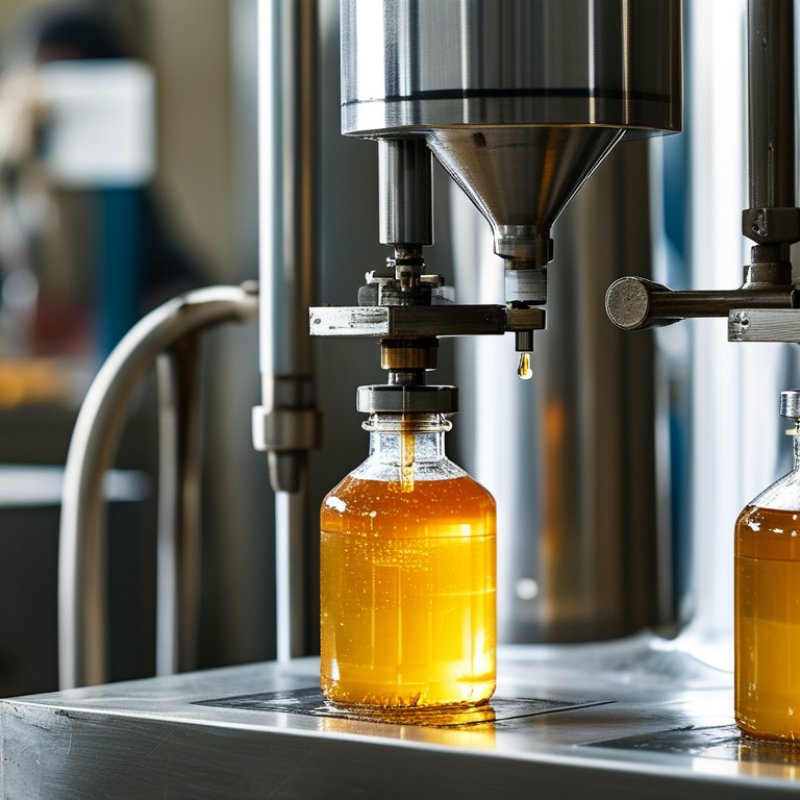
A liquid filling machine measures and dispenses liquid products into bottles, jars, or other containers. It can handle water-like liquids, creams, oils, and thicker formulas. Common systems include gravity, piston, pump, and time-pressure filling. Each method suits different viscosity levels and container shapes. The choice is practical. A perfect filling line is rare.
During operation, containers move along a conveyor and stop beneath the filling nozzles. Sensors confirm their position before the valves open. Product then flows from a tank through pipes and nozzles. A controller stops the flow after reaching the target volume or weight. Nozzle design matters. Anti-drip nozzles reduce mess and product loss. Diving nozzles can limit foam when filling certain liquids. Operators should check samples by weight during production. This simple step can reveal timing errors or uneven pressure.
When comparing liquid filling machines made in China, buyers should examine accuracy, speed, cleaning access, and changeover time. Ask for documented testing, material certificates, operator training, and spare-parts support. Product-contact surfaces should match the product and cleaning process. A high-speed machine may perform poorly with foamy liquid or narrow bottles. That detail is often missed. Experienced teams still need trial runs with real containers and product temperatures. Leave room for adjustment.
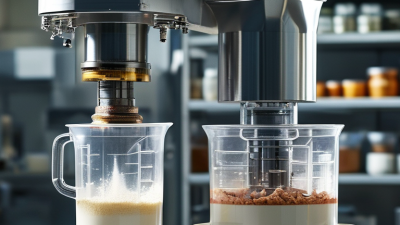
Choosing a liquid filling machine starts with the product, not the machine name. Thin liquids, such as water-based solutions, usually work well with gravity or overflow fillers. Overflow filling keeps visible levels even inside transparent bottles. This detail matters for retail presentation. Piston fillers suit thicker products, including sauces, creams, and gels. Their controlled stroke supports repeatable volume. However, very sticky materials may leave residue around the nozzle.
Peristaltic fillers handle small batches and sensitive liquids with limited product contact. The liquid moves through disposable or cleanable tubing. This can simplify hygiene checks, although tubing wear may affect accuracy. Time-pressure fillers can serve low-viscosity products at moderate speeds. They need stable air pressure and consistent liquid levels. Foaming products require slower filling, diving nozzles, or bottom-up filling. Otherwise, bubbles can distort the fill level.
Products containing small particles need wider passages and carefully selected valves. A narrow nozzle can clog during an ordinary production shift. I have seen specifications look suitable while the actual bottle neck caused delays. That is why sample testing should include real viscosity, temperature, container shape, and target speed. Ask for measured results, not only advertised accuracy. Cleaning access also deserves attention. A machine that fills accurately but takes hours to sanitize may create practical losses. Small gaps, awkward clamps, and difficult seals are easy to overlook. The best choice often comes from testing the complete filling process, not comparing machine types on paper.
When comparing liquid filling machines from China, do not judge performance by brochure speed alone. Evaluate accuracy, speed, and production capacity through a controlled filling trial. Use the same liquid, container, nozzle, and temperature planned for production. Weigh at least 30 filled containers. Record the average weight, range, and standard deviation. One impressive sample proves very little.
Accuracy depends on viscosity, foaming, dripping, and container shape. A thin liquid may require anti-drip control, while a thicker liquid needs stable pressure. Check whether the machine maintains consistent fills after several hours, not only during startup.
I once saw a test pass easily, but the result changed when the liquid warmed. That small detail mattered. Ask for repeatability data and inspect the calibration process. A checkweigher can reveal errors that visual inspection misses.
Speed must be measured with real operators and actual packaging materials. Calculate practical capacity by multiplying containers per minute by operating minutes, then subtract cleaning, changeover, and stoppage time. A machine rated at 60 containers per minute may produce far less in a busy factory.
Test different fill volumes and observe nozzle movement, conveyor spacing, and reject handling. Leave some capacity unused. Running at maximum speed may increase splashing, waste, and maintenance. Also confirm whether spare parts, training, and technical support are available. These factors often decide reliable output more than the headline specification.
Choosing the best liquid filling machine in China starts with your product, not the machine’s advertised speed.
Water-like liquids need different filling systems from thick creams, oils, or foaming solutions. Ask for a live test using your actual container and liquid. Small variations often appear only during testing.
Accuracy is critical. Check the filling tolerance, nozzle design, pump type, and control system. A practical machine should support quick adjustments for different bottle sizes.
Stainless steel contact parts, smooth welds, and easy access make daily cleaning safer and faster. Confirm whether the machine can handle your production temperature and liquid viscosity. Do not trust impressive numbers alone.
Maintenance details matter just as much. Ask how quickly common parts can be replaced and whether operating manuals are clear. A reliable Chinese supplier should provide factory records, inspection documents, training, and responsive technical support. Visit the factory if possible, or request detailed videos from assembly and testing. I have seen buyers focus on output speed and overlook changeover time. That mistake becomes expensive. Test every step. A lower price may be reasonable, but unclear tolerances and weak after-sales support deserve careful reflection.
China Best Liquid Filling Machines How to Choose?
Choosing a liquid filling machine requires more than comparing online prices. A reliable supplier should explain filling accuracy, product viscosity, bottle shapes, and daily production targets. Ask for test videos using a similar liquid, not only water. A machine filling 100 bottles per minute may slow down with syrup or lotion. Request material certificates for product-contact parts, especially stainless steel components. Check whether the supplier records inspection results before shipment. These details show practical experience and professional control.
Cost comparison should include installation, spare parts, training, packaging, and possible import charges. A low quotation can become expensive when a sensor fails and replacement support is unclear. Compare the warranty period and response time in writing. Ask who provides remote troubleshooting and how quickly technicians can access machine data. After-sales support matters during a night shift. One missed production day may cost more than a higher-quality machine.
Tips: Prepare three sample bottles and your real liquid before requesting a quotation. Check fill volume at slow, medium, and maximum speeds. Review the electrical standards required at your site. Also, question overly perfect promises. Suppliers may avoid discussing limitations, and that is a warning sign. In practice, even a well-designed machine may need adjustment after installation. Leave room for testing, operator feedback, and a few unexpected problems.
| Evaluation Dimension | Piston Filling Machine | Peristaltic Filling Machine | Overflow Filling Machine | Gravity Filling Machine |
|---|---|---|---|---|
| Best suited liquids | Medium- to high-viscosity products such as sauces, creams, gels, honey, and detergents. | Low- to medium-viscosity products, laboratory liquids, beverages, pharmaceuticals, and products requiring low product contact. | Low- to medium-viscosity liquids where the bottle fill level must look uniform, such as shampoos and household cleaners. | Thin, free-flowing liquids with consistent viscosity, such as water-like beverages and non-carbonated liquids. |
| Typical filling accuracy | Approximately ±0.5% to ±1%, depending on product viscosity, piston design, and calibration. | Approximately ±1% to ±2%; tubing condition and pump calibration have a significant effect. | Approximately ±0.5% to ±1.5%; fill-level consistency is usually stronger than volume precision. | Approximately ±1% to ±2%; accuracy depends heavily on stable liquid viscosity and pressure. |
| Typical output range | About 10–60 bottles per minute for small and medium automatic systems; higher output requires multiple filling heads. | About 5–40 bottles per minute, depending on container size, tubing size, and number of pump heads. | About 20–120 bottles per minute on multi-head automatic systems. | About 20–100 bottles per minute, subject to liquid properties and machine configuration. |
| Main advantages | Strong handling of viscous products, good repeatability, and flexible dosing volume. | Low cross-contamination risk, easy product changeover, and suitable for sterile or sensitive liquids. | Consistent visual fill level and good suitability for transparent containers. | Simple construction, relatively low purchase cost, and straightforward operation. |
| Main limitations | More product-contact parts and a longer cleaning process than peristaltic systems. | Tubing is a consumable component and may need regular replacement, especially with abrasive or aggressive liquids. | Not ideal for very thick, foaming, or highly particulate products. | Less suitable for viscous products, variable liquid levels, or products requiring highly precise dosing. |
| Indicative equipment cost in China | Approximately USD 3,000–25,000, depending on automation level, filling heads, and hopper design. | Approximately USD 2,000–18,000, depending on pump count, control system, and cleanability requirements. | Approximately USD 4,000–30,000, depending on the number of heads, bottle handling, and automation. | Approximately USD 1,500–12,000, depending on speed, filling heads, and conveyor integration. |
| Recommended buyer profile | Food, cosmetics, chemical, and household-product manufacturers handling variable or viscous formulations. | Pharmaceutical, laboratory, cosmetic, and specialty-product manufacturers prioritizing hygiene and fast changeover. | Manufacturers that need consistent bottle appearance across a high-volume production line. | Start-ups and small or medium producers filling simple, low-viscosity products. |
| Comparison Factor | What to Verify | Practical Benchmark | Warning Signs |
|---|---|---|---|
| Product testing | Ask the supplier to test your actual liquid, container, target volume, and production speed. | Obtain a recorded test video and a written filling-accuracy result using your product. | The supplier only demonstrates the machine with water or refuses to provide test data. |
| Materials and hygiene | Confirm product-contact materials, weld quality, seals, tubing, surface finish, and cleaning access. | For many food, cosmetic, and pharmaceutical applications, 304 stainless steel is common; 316 stainless steel may be selected for more corrosive products. | Unclear material specifications, rough internal welds, inaccessible dead zones, or undocumented seals. |
| Control system | Check recipe storage, password levels, alarm history, manual controls, language options, and electrical standards. | The operator should be able to adjust filling volume and speed without complex mechanical intervention. | No electrical drawings, no alarm diagnostics, or software functions that cannot be demonstrated. |
| Total cost of ownership | Include machine price, tooling, freight, installation, training, spare parts, taxes, and maintenance. | Compare the complete delivered-and-installed cost rather than the equipment price alone. | A low initial quotation excludes conveyors, pumps, change parts, testing, documentation, or commissioning. |
| Spare parts | Request a recommended two-year spare-parts list, prices, lead times, and part numbers. | Common wear parts should be identifiable and readily replaceable without redesigning the machine. | No parts list, unidentified components, or dependence on one-off custom parts. |
| After-sales response | Confirm communication channels, technical-support hours, escalation process, and remote troubleshooting capability. | A written response-time commitment and remote support through video, manuals, and secure machine access are useful. | Support is offered only verbally, response times are undefined, or technical communication is consistently unclear. |
| Warranty terms | Review warranty duration, covered components, exclusions, labor, shipping responsibility, and claim procedures. | The contract should clearly define the warranty start date and the remedies for defective components or performance issues. | Warranty coverage is limited to vague “machine quality” language or excludes critical electrical and pneumatic parts. |
| Documentation and training | Check whether manuals, electrical diagrams, pneumatic diagrams, maintenance schedules, and training are included. | Documentation should match the delivered machine and be supplied in a language your operators understand. | Generic manuals, missing drawings, or training that is not included in the quotation. |