How to Choose the Right Stainless Mixing Tank for Your Needs?
Selecting the right stainless mixing tank can be a daunting task. There are numerous options available, each with its unique features. This decision holds significant weight in various industries, from food production to pharmaceuticals.
A stainless mixing tank is essential for ensuring quality and efficiency in your processes. Understanding specific requirements is vital. Factors such as size, capacity, and mixing technology should align with your operations. It is important to remember that not all tanks meet every need. Some might seem cost-effective but could compromise quality.
Choosing a stainless mixing tank requires careful consideration. Reflecting on your particular requirements is crucial. Think about the nature of the materials you will be mixing. Are they corrosive or sensitive? These details greatly influence your decision. Engaging with experts in the field can provide valuable insights, ensuring a reliable choice for your business needs.
Understanding the Different Types of Stainless Mixing Tanks
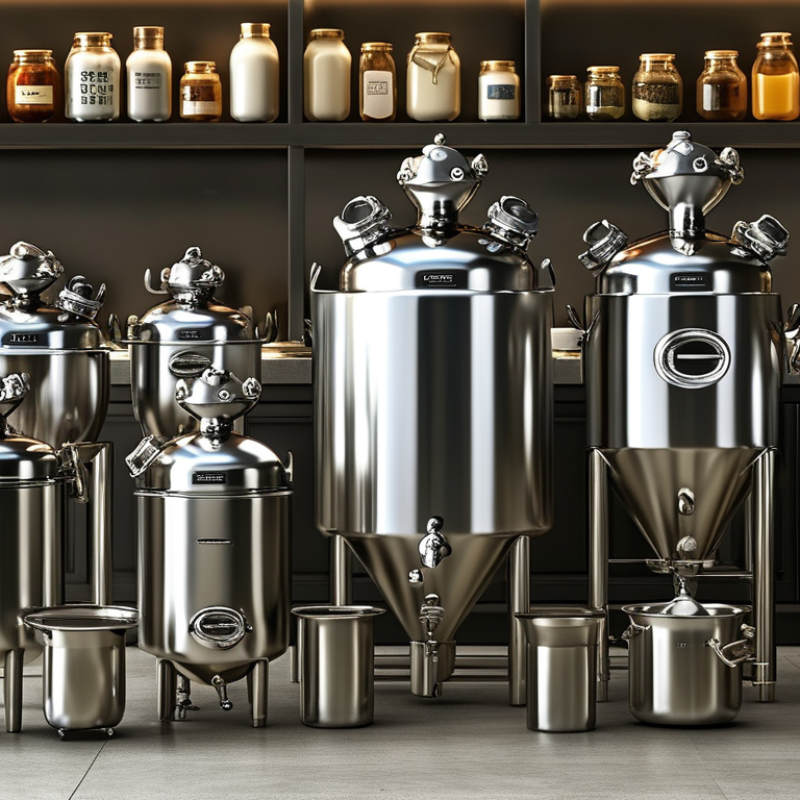
When selecting a stainless mixing tank, it's crucial to understand the types available. Typically, there are three main types: single-shell tanks, double-shell tanks, and jacketed tanks. Single-shell tanks are ideal for simple mixing tasks. They are lightweight and cost-effective, yet offer limited temperature control. Double-shell tanks, on the other hand, provide better insulation and can maintain temperatures more efficiently. They are suitable for processes requiring consistent heating or cooling.
Jacketed tanks take this a step further. They feature an outer shell that facilitates heating or cooling by circulating fluids. This design is essential for delicate mixtures that need specific temperature controls. But, not every process requires such complexity. Choosing the wrong type can lead to inefficiencies or product quality issues.
It’s also essential to consider the tank's capacity. A large tank may seem beneficial, but if it exceeds your needs, it can be wasteful. Conversely, a tank that is too small can hinder production. Think about your current and future requirements. Each tank type serves specific needs, highlighting the importance of assessing your particular application. Reflecting on these aspects will guide you toward the best choice.
Key Factors to Consider When Selecting a Mixing Tank
When selecting a stainless mixing tank, several key factors come into play. First, capacity is crucial. Depending on your production scale, tanks range from small 50-gallon units to large 10,000-gallon solutions. Industry data indicates that the global stainless steel tank market is projected to grow significantly, driven by increasing demand in food and beverage production. Understanding your specific needs will help you choose the right size.
Another important aspect is the tank's design and construction. Mixing tanks should be easy to clean and maintain. Look for features like smooth welds and polished interiors, which can reduce contamination. Research shows that proper design can enhance efficiency by up to 30%. The choice of mixing technology, such as high shear or paddle mixers, affects the quality of product mixing. Evaluate how well the tank's design complements your mixing requirements.
Choose a tank that offers flexibility and longevity. Tanks made of high-grade stainless steel, such as 304 or 316 alloys, resist corrosion and withstand temperature changes. It’s worth acknowledging that not all tanks meet these standards. Regular inspections and maintenance are needed to ensure they perform well over time. Consider your budget and the total cost of ownership, including potential repairs. Quality often outweighs the initial price. This choice may save you money in the long run.
Assessing the Capacity and Size Requirements for Your Application
When selecting a stainless mixing tank, understanding capacity and size is crucial. Begin by analyzing your production needs. Do you require a tank for small batch production or larger volumes? Knowing your daily output can help you determine the tank size.
Consider the dimensions and layout of your facility. A tank that fits may seem ideal, but its height and width can impact workflow. Ensure there’s enough space for maintenance and operation. Sometimes, a compact design can offer better versatility than a larger tank, especially in tight spaces.
Think about flexibility in usage. A tank that meets current demands may not suit future needs. Evaluate how your production might grow; a slightly larger capacity now can save costs later. Additionally, revisit your choices periodically. Regular assessments can lead to better decisions as your operations evolve.
Evaluating Material Compatibility and Hygiene Standards
When selecting a stainless mixing tank, material compatibility is crucial. Not all stainless steel grades offer the same resistance to various chemicals or temperature changes. For example, 304 stainless steel works well for many applications but can corrode in acidic environments. Evaluating the chemical properties of your ingredients helps in making an informed choice.
Hygiene standards play a vital role in your selection process. In industries like food and pharmaceuticals, cleanliness is non-negotiable. Tanks must meet strict regulations to prevent contamination. Smooth surfaces that resist bacteria build-up are essential. Regularly conducting a hygiene audit can highlight shortcomings in your current system. Such reflections will sharpen your understanding of potential improvements.
There is no one-size-fits-all solution. Consider the specific needs of your application. This may require balancing cost with quality and compliance. In some instances, you may need to test a tank before fully committing. Don’t overlook the importance of consulting with specialists. Their insights will guide you towards more reliable choices.
Budgeting and Cost Considerations for Stainless Mixing Tanks
When selecting a stainless mixing tank, budgeting plays a crucial role. Understanding costs involves more than just the initial price tag. You need to consider long-term expenses such as maintenance, energy efficiency, and parts replacement. A higher upfront cost may lead to savings over time, especially if the tank has a longer lifespan and better energy performance.
Another aspect to consider is the size and capacity of the tank. Larger tanks generally have higher costs, but may be necessary for your production needs. An undersized tank can lead to increased operational costs due to inefficiencies. Analyze your production volumes carefully. Storage space is another factor that can influence cost. Choosing a tank that fits efficiently within your facilities can save on additional expenses.
It's also vital to factor in customization options. A basic tank may suffice, but specialized features like temperature control or agitators can add to the cost. These features often enhance functionality and efficiency. However, evaluate whether the added cost aligns with your operational goals and budget constraints. Reflecting on these elements can help you make a more informed decision.
How to Choose the Right Stainless Mixing Tank for Your Needs? - Budgeting and Cost Considerations for Stainless Mixing Tanks
| Feature |
Description |
Cost Considerations (Estimated) |
| Size |
Capacity can range from 50 to 5000 liters |
$1,000 - $20,000 |
| Material Grade |
Common grades include 304 and 316 stainless steel |
$100 - $500 more for higher grades |
| Mixing Technology |
Types include agitators, aerators, and homogenizers |
$500 - $10,000 depending on technology |
| Insulation |
Insulated or uninsulated models |
$200 - $2,000 for insulated models |
| Custom Features |
Options like valves, sensors, and custom fittings |
$1,000+ based on specifications |