Leave Your Message

Why Choose Liquid Filling Machines for Your Business Needs?

In today's competitive landscape, businesses increasingly turn to technology for efficiency. Liquid Filling Machines are a prime example of this trend. With a growing demand for precision in packaging, these machines provide a reliable solution. Recent reports indicate that the liquid filling machine market is projected to reach $5.4 billion by 2027, growing at a CAGR of 7.2%. This rise underscores the importance of investing in advanced equipment.

A major advantage of Liquid Filling Machines is their accuracy. Manual filling can lead to inconsistency and waste. For instance, improper fill amounts can result in lost profits. Automated machines, however, minimize human error. Many businesses report significant improvements in throughput and product quality. Yet, companies must critically assess their needs before investing. Size, product characteristics, and production volume play crucial roles in machine selection.

Moreover, it's essential to consider the overall impact on production processes. While Liquid Filling Machines can enhance efficiency, the transition requires training and adjustment. Some companies initially struggle with operation and maintenance. Addressing these challenges is vital for maximizing the benefits of liquid filling technology. By carefully evaluating these aspects, businesses can position themselves for success in a challenging market.
Why Choose Liquid Filling Machines for Your Business Needs?

Benefits of Using Liquid Filling Machines in Various Industries

Why Choose Liquid Filling Machines for Your Business Needs?

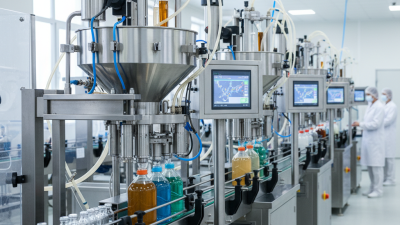
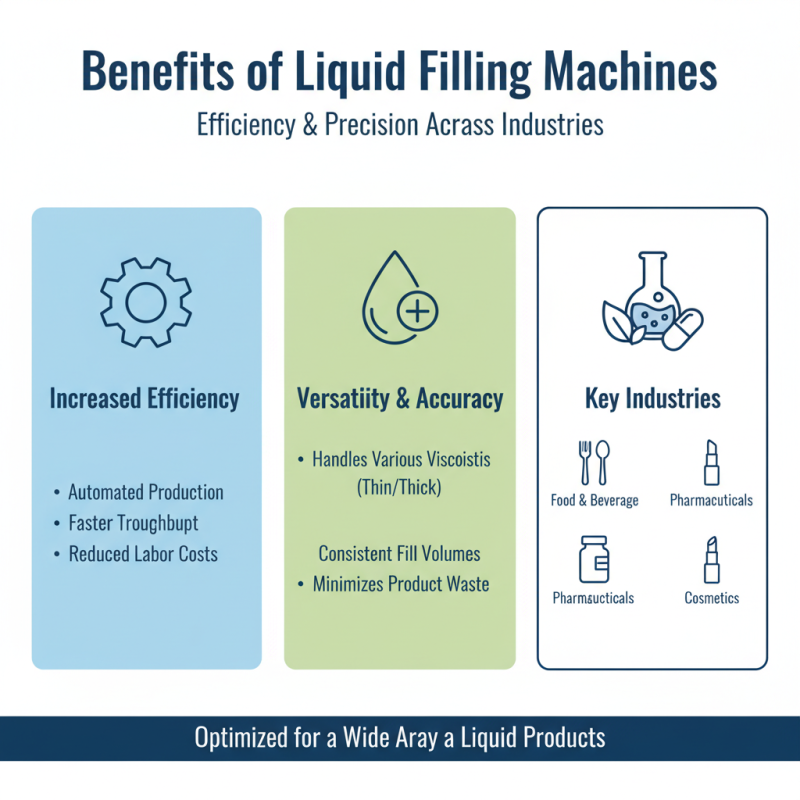
In various industries, liquid filling machines bring efficiency and precision to production lines. These machines are crucial for sectors like food and beverage, pharmaceuticals, and cosmetics. With the ability to handle different viscosities, they can fill products ranging from water to thick sauces. This versatility makes them ideal for businesses that produce a wide array of liquid products.

One significant benefit is the reduced labor costs. Automated filling processes minimize the need for manual labor, allowing staff to focus on other tasks. This not only streamlines operations but also enhances productivity. However, the initial investment may seem daunting for small businesses. It's essential to weigh the long-term gains against upfront expenses.

Accuracy is another critical advantage. Liquid filling machines ensure consistent fill levels, which is vital for maintaining product quality. Inconsistent fills can lead to wasted resources and dissatisfied customers. Yet, it’s important to regularly maintain these machines to avoid malfunctions. Regular checks can prevent costly downtimes and ensure the reliability of production.
Types of Liquid Filling Machines Available on the Market

Why Choose Liquid Filling Machines for Your Business Needs?

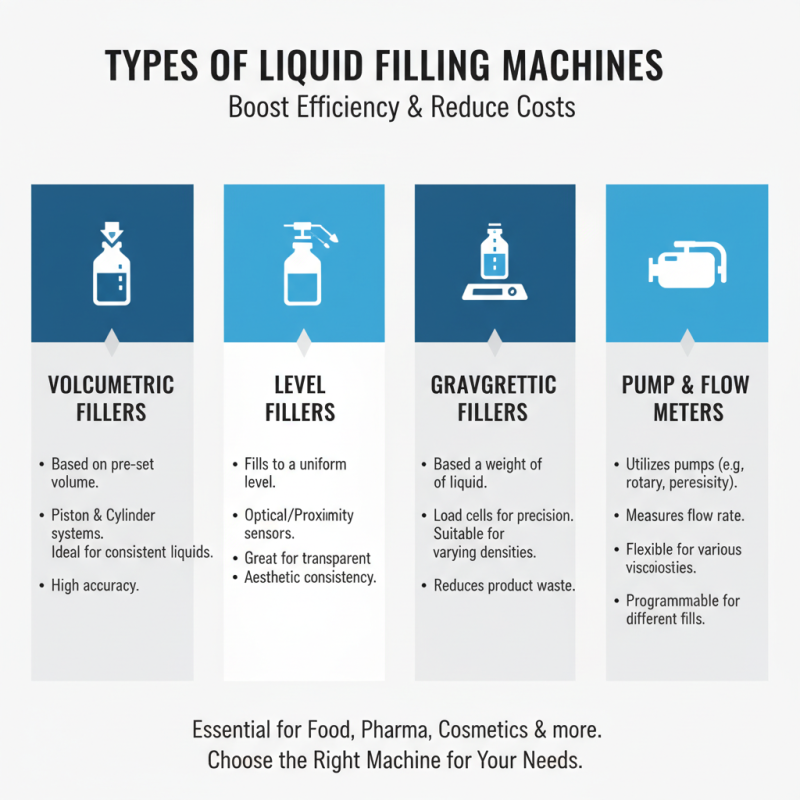
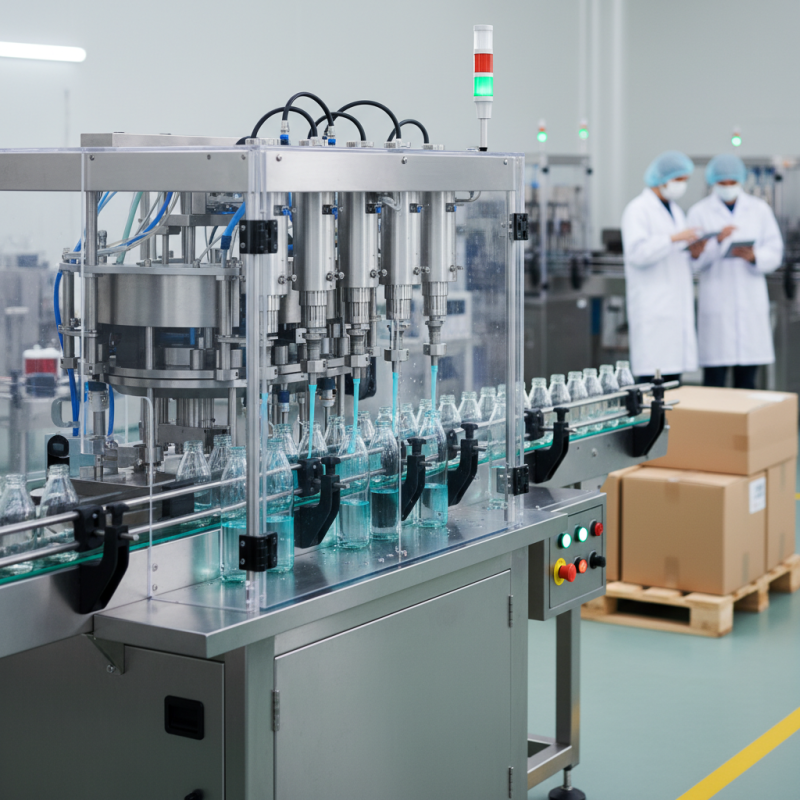
Liquid filling machines are essential for various industries, including food and beverage, pharmaceuticals, and cosmetics. These machines help increase efficiency and reduce labor costs. When choosing a liquid filling machine, it’s crucial to understand the different types available on the market.

There are primarily three types of liquid filling machines: volumetric, gravity, and pressure fillers. Volumetric fillers measure a specific volume of liquid for accurate dispensing. This type is ideal for precise applications. Gravity fillers utilize gravitational force to draw liquid into containers. They are suitable for less viscous liquids. Pressure fillers are best for thicker liquids, using pressure to fill containers quickly. According to industry reports, the liquid filling machine market is projected to grow by 4.4% annually, indicating increasing demand across sectors.

Tips: When selecting a filling machine, consider factors like liquid viscosity, container shape, and production speed. Regular maintenance is key for operational efficiency. Keep in mind that this technology is evolving. Assess your needs frequently. Embracing new options can lead to enhanced productivity and reduced operational costs. Ultimately, take time to evaluate what fits your business best, even if it means exploring less familiar technologies.

Key Features to Consider When Selecting a Liquid Filling Machine

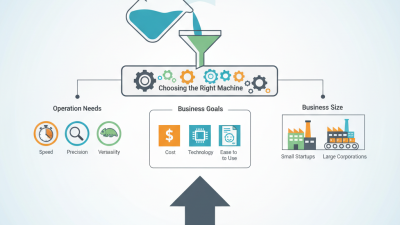
When choosing a liquid filling machine, consider accuracy. Filling precision directly impacts product quality. Machines should have a reliable dispensing system. This ensures each container receives the correct amount of liquid. A small error can lead to substantial losses over time.

Speed is another crucial factor. Depending on the scale of production, a machine needs to meet specific output requirements. Fast machines can enhance productivity, but they must not compromise filling accuracy. Additionally, ease of use matters. Operators should be able to adjust settings with minimal training. Complicated controls can lead to mistakes and inefficiencies.

Durability is essential too. Liquid filling machines face wear and tear over time. Investing in a robust design helps avoid frequent repairs. Workers may overlook routine maintenance. Hence, a sturdy machine with good components will serve longer. Cost-effectiveness is important but consider long-term benefits. Sometimes, lower-priced machines may lead to higher costs down the line.

Cost Efficiency of Liquid Filling Machines for Businesses

Liquid filling machines have transformed operational efficiency in many industries. Utilizing these machines can lead to significant cost savings. According to industry reports, companies can reduce labor costs by up to 30% by automating their filling processes. This allows businesses to allocate resources more effectively.


Moreover, liquid filling machines minimize product waste. Studies indicate that even a small increase in filling accuracy can save thousands of dollars annually. For example, a business filling 10,000 bottles per day can incur losses of up to $20,000 from overfilling. Better control over volume leads to both cost savings and enhanced customer satisfaction.


However, transitioning to these machines can have challenges. Not all businesses are equipped with the necessary infrastructure. Additionally, initial installation costs can be a barrier. Evaluating the total cost of ownership is crucial. Long-term maintenance and operational expenses must also be considered. Despite these complexities, the benefits often outweigh the hurdles.

Maintenance and Support for Liquid Filling Machines in Operations

Liquid filling machines play a pivotal role in various industries. To optimize their performance, maintenance and support are crucial. Regular checks prevent unexpected failures and costly downtime. Keeping machines clean and well-lubricated can enhance their longevity and efficiency. Technical expertise is key, as improper maintenance can lead to complications.

Training your team on routine inspections trains them to identify potential issues. It's essential to document each maintenance step to track performance over time. This also aids in recognizing patterns that signal future problems. Understanding the intricacies of the machine can impact your operations significantly.

Support systems should be in place for technical queries. Quick access to knowledgeable professionals can save time and resources. Regular seminars on best practices can reinforce skills and foster a culture of safety and reliability. Reflecting on past maintenance decisions can reveal areas for improvement. Adjusting your approach will lead to better efficiency and productivity.