Why Choose a High Shear Mixer Homogenizer for Your Needs?
In the world of manufacturing and processing, finding the right equipment is crucial. High shear mixer homogenizers play a significant role in achieving uniformity in mixtures. Experts like Dr. Emily Carter, a leading authority in material processing, emphasize the importance of this machinery. She states, “A high shear mixer homogenizer ensures optimal consistency and quality in product formulation.”
These machines are not just about mixing; they are about precision and efficiency. Industries from pharmaceuticals to food production rely heavily on this technology. The right high shear mixer homogenizer can transform thick pastes into fine emulsions with minimal effort. However, selecting the appropriate model requires careful consideration of specific needs and application.
Despite their benefits, not every high shear mixer homogenizer fits all processes. Variability in settings and user proficiency can lead to less-than-ideal results. Companies must understand their unique requirements. Investing time to analyze these factors could mean the difference between success and failure in production consistency. Choosing wisely can significantly impact overall output quality and efficiency.
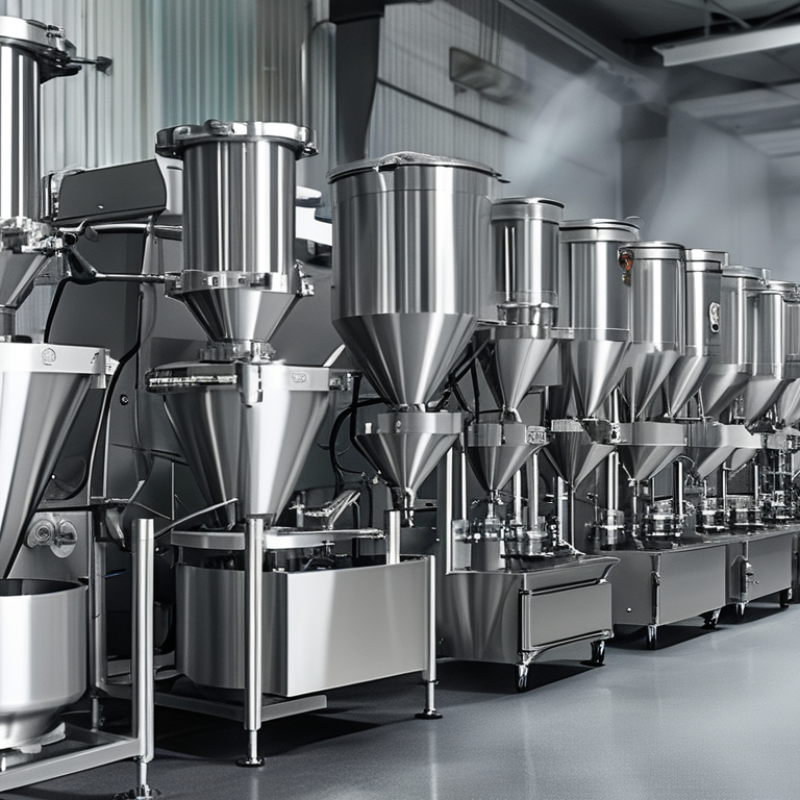
Understanding High Shear Mixer Homogenizers and Their Functions
High shear mixer homogenizers are essential tools in various industries, including food, pharmaceuticals, and cosmetics. They are designed to create uniform mixtures by applying intense mechanical forces. This versatility allows them to handle different viscosities and produce smooth, stable emulsions. Understanding their functions can help businesses optimize their processes.
These mixers operate through high-speed blades that generate shear forces. This action breaks down particles efficiently, leading to well-dispersed formulations. They can transform coarse liquids into fine emulsions, which is vital for product stability. Quality control is crucial; small variations can lead to significant differences in final products.
When considering a high shear mixer, think about your specific needs. Evaluate the size and capacity that suits your production scale. Understand the shear rate required for your applications. Additionally, regular maintenance is vital to ensure longevity and performance. Cleaning is often overlooked but is essential for preventing contamination. Making informed decisions can streamline operations and enhance product quality.
Key Advantages of Using High Shear Mixers in Various Industries
High shear mixers play a crucial role in various industries. Their ability to create uniform mixtures makes them invaluable in food, pharmaceuticals, and cosmetics. The unique technology they employ enables efficient blending and emulsification. This results in high-quality products with consistent textures and stability.
One key advantage of high shear mixers is their versatility. They can handle a wide range of materials, from viscous pastes to delicate emulsions. This adaptability allows manufacturers to streamline processes. However, achieving the desired viscosity can sometimes be challenging. It requires careful monitoring and adjustment of mixing parameters. Users often need to invest time in understanding their specific material properties for optimal results.
Another notable benefit is the speed of processing. High shear mixers significantly reduce mixing times compared to conventional methods. This efficiency translates into quicker production cycles. Yet, this speed can lead to over-processing in some cases. Constant vigilance during operation is essential to prevent potential quality issues. Understanding the balance between speed and quality is key in this scenario.
Factors to Consider When Choosing a High Shear Mixer Homogenizer
When selecting a high shear mixer homogenizer, several factors need attention. The mixer’s power and speed are critical. High shear mixers typically operate at speeds ranging from 1,500 to 25,000 RPM. This speed range allows for effective emulsification and particle size reduction. A recent study revealed that using a high shear mixer can reduce particle size by up to 90%. This level of efficiency is essential for industries like food processing and pharmaceuticals.
The design and material of the mixer also play significant roles. Stainless steel is often preferred due to its durability and resistance to corrosion. Moreover, the rotor-stator configuration can influence mixing efficiency. A study indicated that a well-designed rotor-stator geometry can enhance shear forces, achieving a more homogeneous product. Engaging with an experienced supplier can aid in choosing the right model that aligns with specific operational needs.
It's important to consider the scale of production. High shear mixers come in various sizes, catering to labs, pilot plants, and full production lines. Data shows that many businesses face challenges when scaling up from laboratory to production. Adjustments in mixer settings and configurations may be crucial. Understanding how to make these adjustments can ensure consistency and quality in final products.
Factors Influencing the Selection of High Shear Mixer Homogenizers
Common Applications for High Shear Mixer Homogenizers
High shear mixer homogenizers play a vital role in various industries. They excel in emulsifying, dispersing, and blending materials. Common applications include the food industry, pharmaceuticals, and cosmetics. For example, in food manufacturing, these mixers help create stable emulsions for sauces and dressings. This stability is essential for product quality and shelf life.
In the pharmaceutical sector, high shear mixers ensure uniformity in lotions and ointments. This consistency is critical for efficacy and patient safety. In cosmetics, these devices help create smooth cream formulations. They enhance texture and absorption, making products more appealing to consumers.
To get the most out of your high shear mixer, consider these tips. Regular maintenance ensures optimal performance. Monitor viscosity changes during operation to adjust settings accordingly. Experiment with different speeds and time durations to achieve desired results. Remember, every formulation is unique and may require fine-tuning. Adjusting the mixer parameters could mean the difference between a successful product and one that falls short.
Maintenance and Best Practices for High Shear Mixer Longevity
High shear mixers are essential for various industries, from food production to pharmaceuticals. Their efficiency hinges on proper maintenance and use practices. Regularly check and clean the mixer components to prevent buildup. This contributes significantly to their longevity and efficiency. According to industry reports, well-maintained mixers can last up to 15 years, a stark contrast to those neglected, which may only reach five years.
Proper lubrication is vital. Ensure that all moving parts are well-greased, according to the manufacturer’s guidelines. Utilize appropriate cleaning agents for different materials handled. Misuse of cleaners can damage seals and components, impacting performance. Regular inspections should focus on wear and tear, as overlooked parts can lead to costly repairs. In fact, data suggests that 30% of operational failures result from inadequate maintenance.
Operator training cannot be underestimated. Well-informed operators can detect issues early. They should know the specific requirements for their applications. Lack of knowledge can lead to improper use, affecting both the product quality and mixer lifespan. Careful attention to operational practices ensures optimal performance. A little diligence goes a long way in preserving the investment made in high shear mixers.