Why Choose an Agitator Mixing Tank for Your Industry Needs?
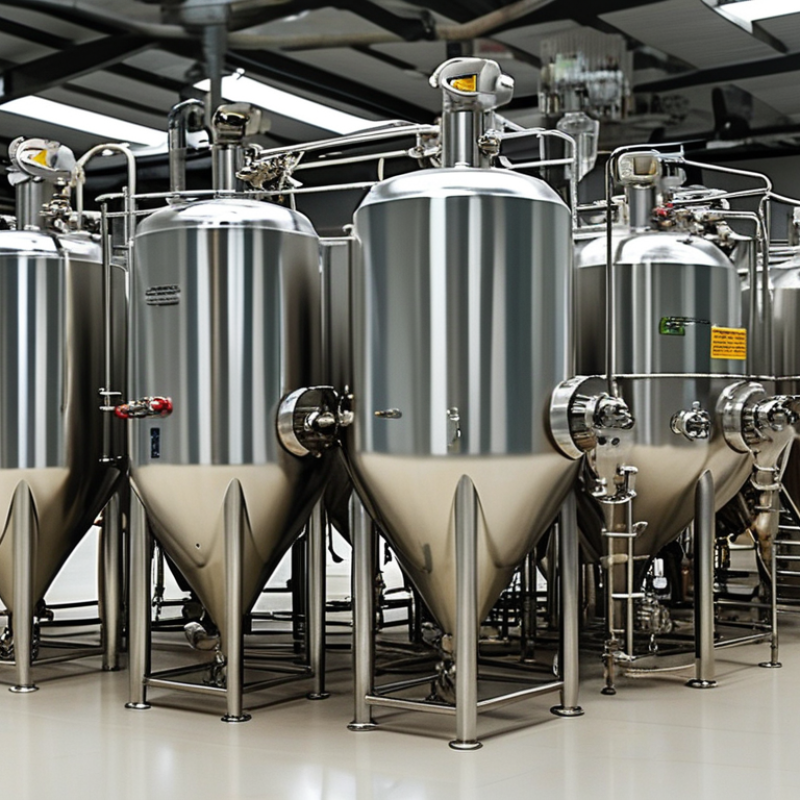
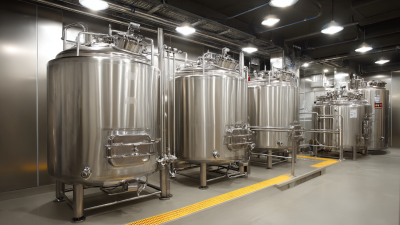
In various industrial sectors, the choice of equipment can significantly impact efficiency and product quality. One essential piece of equipment is the Agitator Mixing Tank. This versatile tool is designed to blend, emulsify, and disperse materials effectively. Selecting the right Agitator Mixing Tank requires a deep understanding of your specific processes and requirements.
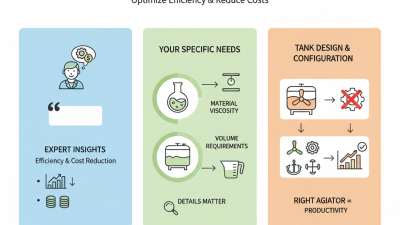
Industries such as food and beverage, pharmaceuticals, and chemicals rely heavily on these mixing solutions. The Agitator Mixing Tank creates homogeneity and ensures consistent results. However, not all agitator tanks are created equal. Factors like size, material, and agitation type must be considered carefully.
Many facilities overlook the importance of proper tank selection. This oversight can lead to product inconsistencies and increased operational costs. As experts emphasize, investing time in understanding your mixing needs can yield substantial returns.
Understanding the Basics of Agitator Mixing Tanks
Agitator mixing tanks are crucial in many industries, including food processing, pharmaceuticals, and chemical manufacturing. These tanks ensure consistent mixing and blending of liquids and solids. Reports indicate that efficient mixing can increase product uniformity by up to 25%. This is significant for industries that require precise formulations.
Understanding the components of agitator mixing tanks is essential for effective use. The design typically includes a motor, blades, and a tank body. Different blade configurations affect shear rates and mixing efficiency. A report by the International Mixers Association highlights that poorly designed agitators can lead to inefficiencies, causing increased production times and fluctuating product quality.
Maintenance also plays a vital role. Regular inspections are necessary to prevent equipment failure. A recent industry survey revealed that 30% of mixer downtime is due to inadequate maintenance. This shows the need for a proactive approach. It is essential to build robust systems to ensure reliability while continuously improving the mixing process.
Why Choose an Agitator Mixing Tank for Your Industry Needs?
| Feature |
Description |
Benefits |
| Versatility |
Can handle various materials including liquids, pastes, and slurries. |
Adapts to different production needs and scales. |
| Efficient Mixing |
Ensures consistent product quality through thorough mixing. |
Reduces waste and optimizes material usage. |
| Durability |
Built from high-quality materials for long-term use. |
Lower maintenance costs and extended operational lifespan. |
| Customization |
Configurable with various agitator designs and sizes. |
Meets specific industry requirements and applications. |
| Safety Features |
Incorporates safety mechanisms to prevent accidents. |
Ensures a safe working environment for operators. |
Key Features and Benefits of Agitator Mixing Tanks
Agitator mixing tanks are crucial in various industries, including food processing, pharmaceuticals, and chemicals. Their main advantage is efficient mixing. This helps achieve uniformity in products. According to a recent report by MarketsandMarkets, the global mixing equipment market is projected to reach $4.4 billion by 2025. This growth highlights the increasing demand for such equipment.
One key feature of agitator mixing tanks is their flexibility. These tanks can mix liquids of different viscosities. They also accommodate solids and powders. This versatility makes them ideal for industries with varied mixing needs. Moreover, they come equipped with various agitator designs. These designs ensure optimal mixing performance. However, one must regularly evaluate the effectiveness of the chosen agitator design to avoid inefficiencies.
Tip: Always consider tank size. Choosing the wrong size can lead to poor mixing and waste.
Another benefit is their scalability. Agitator mixing tanks can grow with your business. As your production needs increase, these tanks can adapt accordingly. Ensuring your mixing system aligns with production capacity is vital. Yet, it’s essential to assess the installation costs and maintenance requirements. Regular maintenance is necessary to avoid unexpected downtimes.
Tip: Monitor mixing parameters closely. This can prevent potential quality issues in the final product.
Industries That Benefit from Using Agitator Mixing Tanks
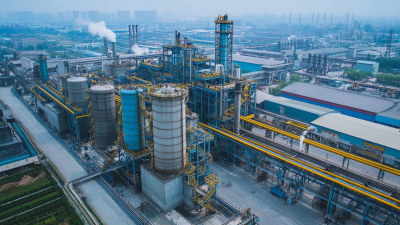
Agitator mixing tanks are essential in various industries. They facilitate the blending of fluids and solids, making them invaluable in chemical, pharmaceutical, and food processing sectors. In the chemical industry, these tanks help create homogenous mixtures, ensuring consistency and quality of products. They support reactions by maintaining uniform temperatures and concentrations, which is critical for efficiency.
In the pharmaceutical field, agitator tanks play a pivotal role in manufacturing medicines. The processes require precise mixing to ensure accurate dosages and effectiveness. In food processing, these tanks are used to combine ingredients evenly. However, achieving the right mix can be challenging. Improper agitation can lead to product inconsistencies, causing issues with taste or safety.
Some industries may underestimate the importance of proper tank selection. The wrong agitator design can affect production speeds and quality. Not all processes are the same; this variability requires careful consideration. Choosing the right tank means understanding your specific needs and experimenting with different configurations. It's a journey of trial and error, leading to better practices in mixing processes.
Industries That Benefit from Using Agitator Mixing Tanks
This chart illustrates the percentage of various industries utilizing agitator mixing tanks to improve their operational efficiency.
Factors to Consider When Selecting an Agitator Mixing Tank
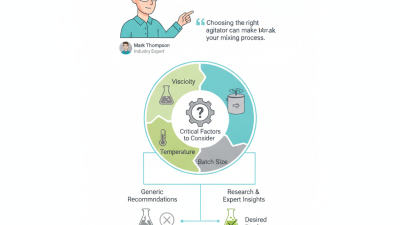
When selecting an agitator mixing tank, several crucial factors come into play. The viscosity of the materials being mixed is paramount. According to a recent industry report, 45% of inefficient mixing operations stem from mismatched agitator designs. Understanding your material's properties ensures optimal agitation and process efficiency.
Another key consideration is the tank's geometry. Tanks come in various shapes and designs, each serving specific purposes. A study by the Mixing Technology Association highlighted that specific tank geometries can reduce mixing times by up to 30%. This adjustment can enhance productivity, ultimately impacting your bottom line.
It's also essential to evaluate the pivotal role of energy consumption in agitation. Research indicates that tanks designed with energy-efficient agitators can cut operational costs by 20%. Producers should ensure that they prioritize tanks with high-energy efficiency to align with sustainability goals. It's an ongoing challenge, as energy demands often conflict with performance needs. Balancing these aspects isn't always straightforward, yet it remains a vital part of the decision-making process.
Maintenance and Best Practices for Agitator Mixing Tanks
Maintaining agitator mixing tanks requires a keen understanding of their mechanics. Regular inspection of the agitators' blades is essential. Studies show that worn blades can decrease mixing efficiency by up to 30%. Visual inspections should focus on any signs of corrosion or damage. Neglected blades lead to uneven mixing and may compromise product quality.
Proper lubrication of moving parts is often overlooked. Inadequate lubrication can result in increased wear and tear, which may cause costly downtimes. Reports indicate that maintenance issues account for as much as 25% of operating costs in processing plants. Implementing a strict lubrication schedule can significantly reduce these costs and ensure optimal operation.
Cleaning protocols must also be robust. Accumulated residues can degrade product quality and lead to contamination. Industry standards recommend thorough cleaning after each batch. Moreover, auditing cleaning practices can offer insights into potential improvements. Such adaptation may seem unnecessary yet can have profound impacts on overall efficiency. Addressing these factors proactively fosters a more reliable and productive environment in the long run.